
River Haus Ranch Real Estate Group, brokered by eXp Realty
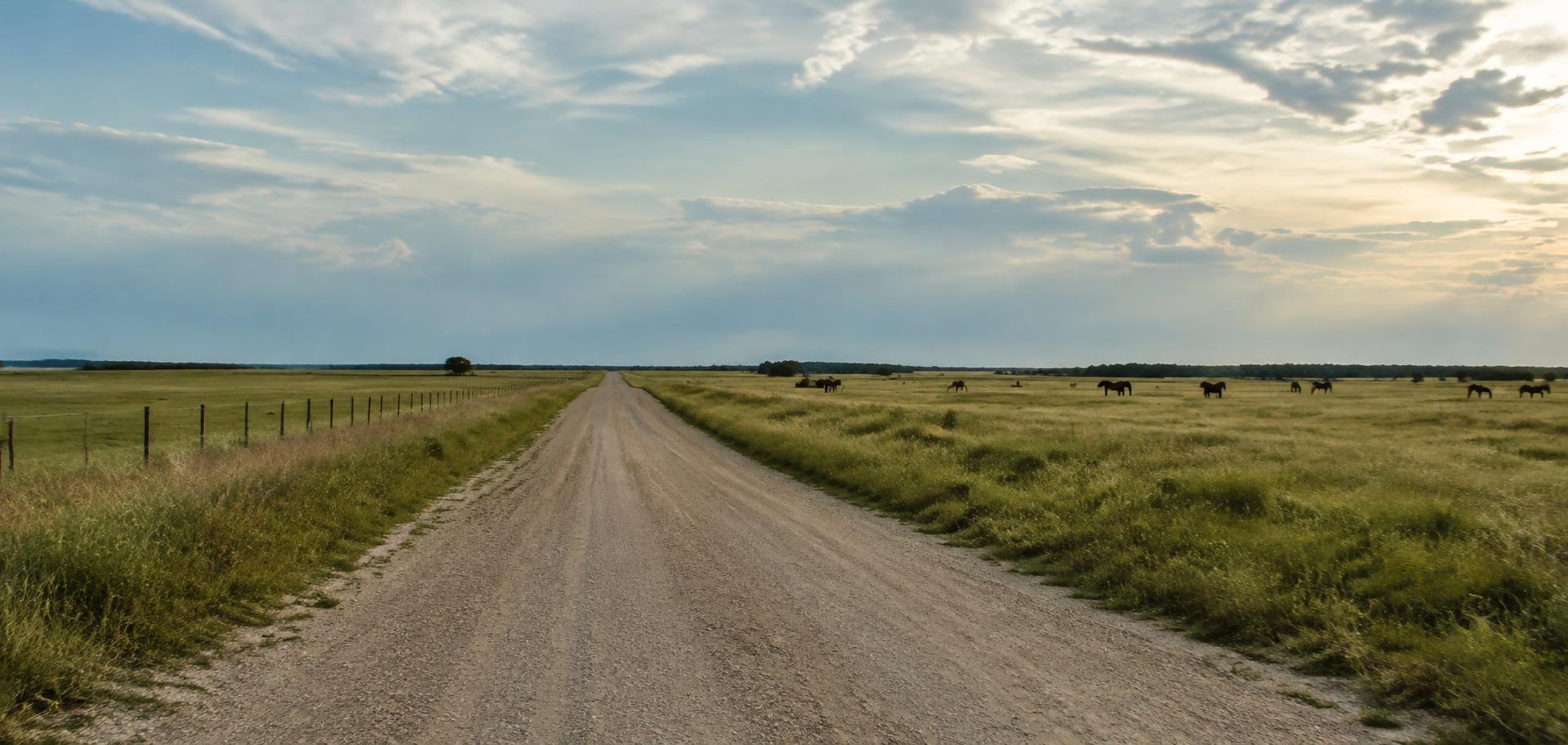
A quiet road through Texas ranch land

Ranch & Land

Land requires a different conversation.

Acreage alone does not determine value. Two properties of the same size can be worlds apart depending on water, access, terrain, improvements, restrictions, and how the land can actually be used.

Understanding those details is where good land representation begins.

01What We Look At

The details matter.

Every land property is evaluated on the characteristics that shape its value and its use — not on acreage alone.

  1. 01WaterWells, surface water, ponds, and what the property can actually support.
  2. 02WellsProduction history, depth, and the information available about them.
  3. 03AccessHow you reach the property, and how you move around it once you do.
  4. 04TopographyElevation, drainage, and how the shape of the land affects its use.
  5. 05UtilitiesPower, water, septic, and what it would take to add what is missing.
  6. 06ImprovementsHomes, barns, fencing, and roads — and what they are worth to a buyer.
  7. 07SoilsWhat the ground can grow, hold, and support over time.
  8. 08VegetationNative cover, forage, and the condition of the land as it stands.
  9. 09Agricultural UseCurrent use, existing valuations, and what the land is managed for.
  10. 10WildlifeHabitat, game, and the recreational character of the property.
  11. 11RestrictionsDeed restrictions, easements, and anything that limits how the land can be used.
  12. 12UsabilityHow much of the acreage actually works for the way you intend to use it.
02Water

In Texas, water changes the conversation.

Wells, surface water, ponds and tanks, creeks and rivers — each shapes what a property can support and how it will be valued. We look at water availability, well production information where it exists, water districts where applicable, storage systems, and the practical usability of the water on the land.

Property-specific water questions may require a review of records and consultation with qualified specialists, and we will say so when they do.

03Access & Usability

Not every acre works the same way.

Public versus private access, recorded easements, internal roads, terrain, fencing, pasture, wooded areas, flood-prone ground, and practical access to improvements all determine how much of a property is genuinely usable.

Total acreage and usable acreage can tell very different stories. We help buyers and sellers understand both.

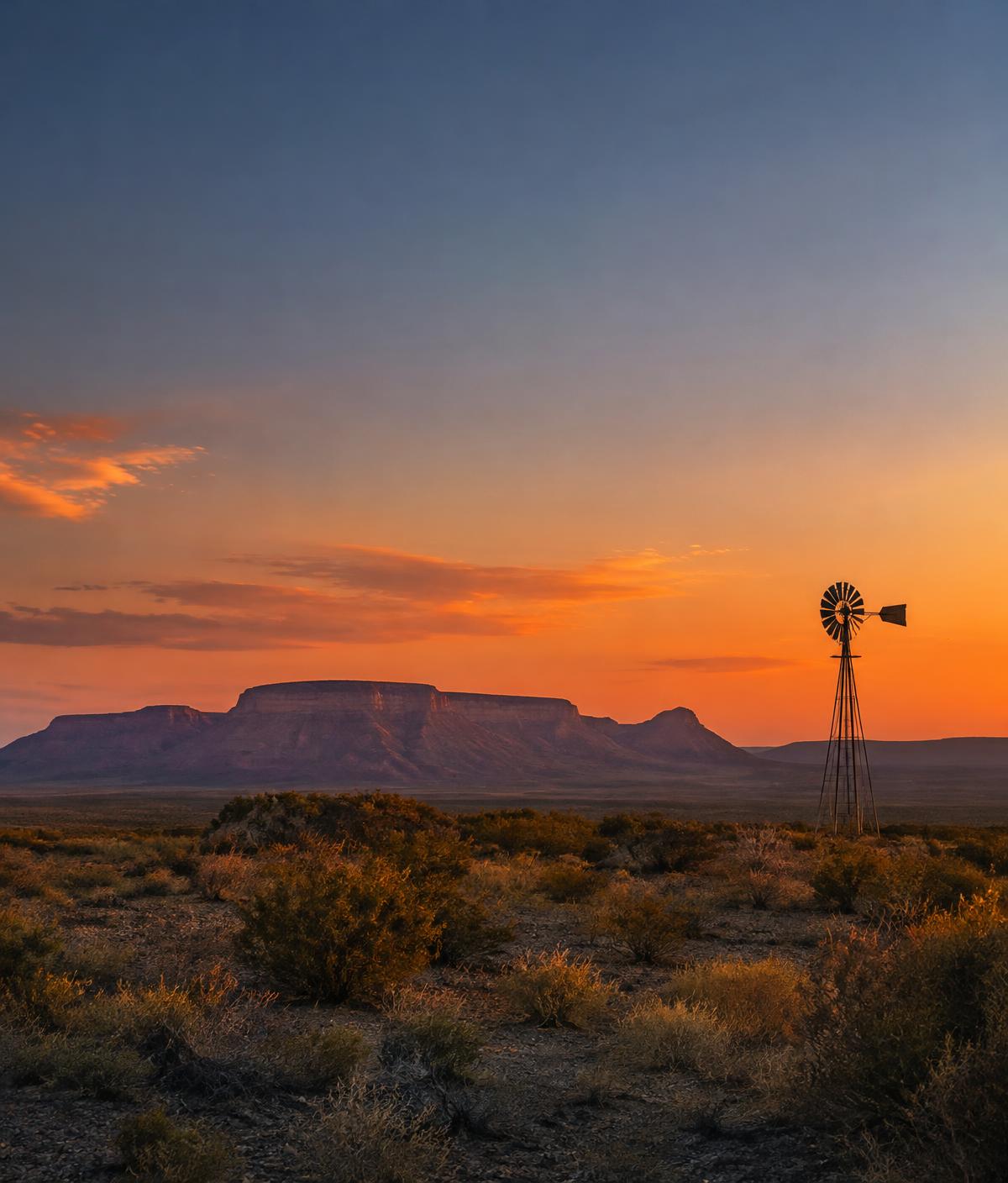
Open Texas land under a wide sky
04Soils, Vegetation & Agricultural Use

What grows there matters.

Soil types, forage, native vegetation, grazing potential, agricultural use, wildlife habitat, and how the land has been managed all influence what a property is and what it can become. Existing agricultural or wildlife-management appraisal status is part of that picture too.

Current status should always be confirmed with the county appraisal district and qualified professionals — we help you ask the right questions, not presume the answers.

05Improvements

Improvements need context too.

Homes, barns, shops, working pens, fencing, wells, storage tanks, roads, guest houses, equipment facilities, ponds and tanks — land properties often carry a long list of improvements.

Each should be evaluated for its condition, its utility, its replacement value, and its relevance to the buyers most likely to want the property. Not every improvement adds dollar-for-dollar value, and honest evaluation matters more than a generous list.

06Restrictions & Due Diligence

Good land decisions depend on good questions.

When applicable, we encourage a careful review of deed restrictions, easements, access, surveys, mineral reservations, utilities, flood information, septic systems, wells, property boundaries, agricultural use, and HOA or POA requirements.

Property-specific legal, title, environmental, tax, engineering, water, survey, or technical questions should be reviewed with the appropriate qualified professional.

07Buying Land

Buying land starts with how you plan to use it.

A full-time residence, a weekend property, livestock, horses, hunting, recreation, investment, agriculture, a family compound, or future improvements — the intended use determines what matters most in a property.

We help buyers evaluate land through the lens of their goals rather than acreage alone.

Search Texas Properties
08Selling Land

Selling land starts with understanding what you have.

Strong land positioning requires more than selecting comparable acreage. Water, access, improvements, terrain, agricultural use, wildlife, vegetation, restrictions, location, buyer audience, documentation, and the story of the property all shape how it should be brought to market.

Explore Our Selling Approach
09The Land Review

Before decisions are made, we ask questions.

  1. 01Property GoalsWhat the owner or buyer wants the land to do, now and over time.
  2. 02Records & DocumentationSurveys, deeds, well information, and the paperwork that already exists.
  3. 03Land CharacteristicsWater, access, terrain, soils, vegetation, and usable acreage.
  4. 04ImprovementsCondition, utility, and relevance of what has been built on the property.
  5. 05Market ContextHow the property sits among comparable land and likely buyers.
  6. 06Buyer or Seller StrategyA plan shaped by the property, the goal, and the market.

An initial review is a starting point for understanding — it does not replace surveys, appraisals, inspections, or legal review.

Let's talk about the land.

Whether you are buying, selling, or simply beginning to understand a property, we are glad to start with a conversation.

Start a Conversation