
Land & RanchNorth Texas
When You Want More Room Without Leaving North Texas Behind
Dreaming of a little more space without leaving North Texas behind? Paris Wilbanks explores what changes when you trade a neighborhood lot for acreage, from daily commutes to the freedom and responsibilities of owning land.
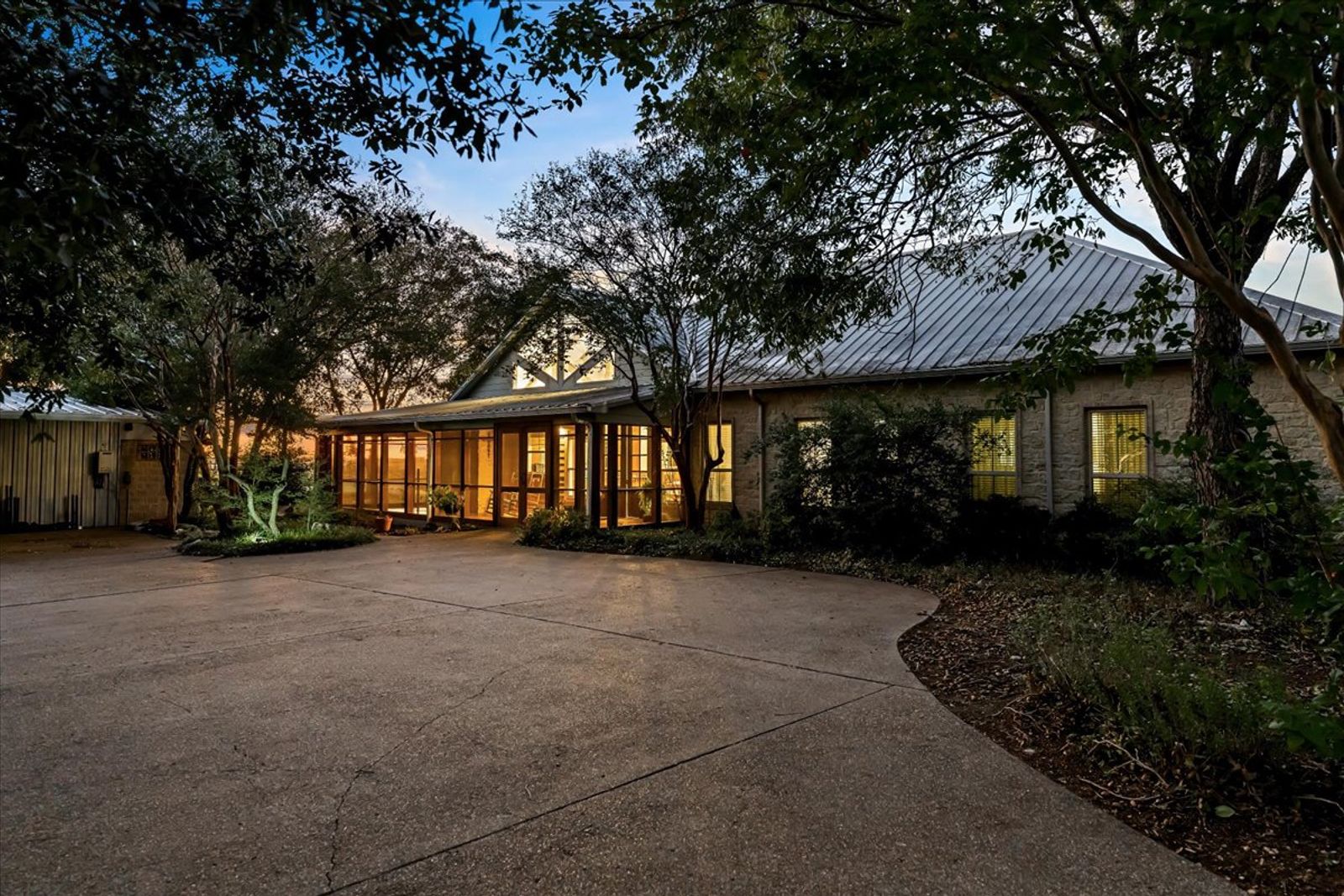
There's a difference between having more land and having the space to live the way you've always wanted. Finding that balance is what makes the search worthwhile.
Sometimes the desire for more space begins with something as simple as looking out the back window and realizing how close the next house feels. The backyard that once seemed perfectly adequate starts to feel smaller. There's no room for the shop you've been dreaming about, the kids are running out of places to play, or you've reached a point where you'd really like to enjoy your morning coffee without feeling as though the entire neighborhood can see you.
For other people, the idea has been there for years. Maybe they've always wanted horses, a barn, a long driveway, or enough land to host family without worrying about where everyone will park. They love their home and the life they've built, but they're beginning to wonder what it would be like to have a little more freedom.
One of the things I appreciate about North Texas is that moving toward that lifestyle doesn't necessarily mean leaving everything familiar behind. Depending on where you work, the communities you're connected to, and how far you're willing to drive, there are opportunities to find acreage while remaining within reach of the Dallas-Fort Worth area.
I think that's what makes the conversation so interesting. Most buyers aren't necessarily trying to leave North Texas. They're looking for a different way to enjoy living here.
The important thing is understanding what actually changes when you trade a neighborhood lot for a few acres of your own.
Before We Talk About Acres, Let's Talk About Your Life
When someone tells me they're ready for more land, one of the first things I want to understand is what they're hoping that space will give them.
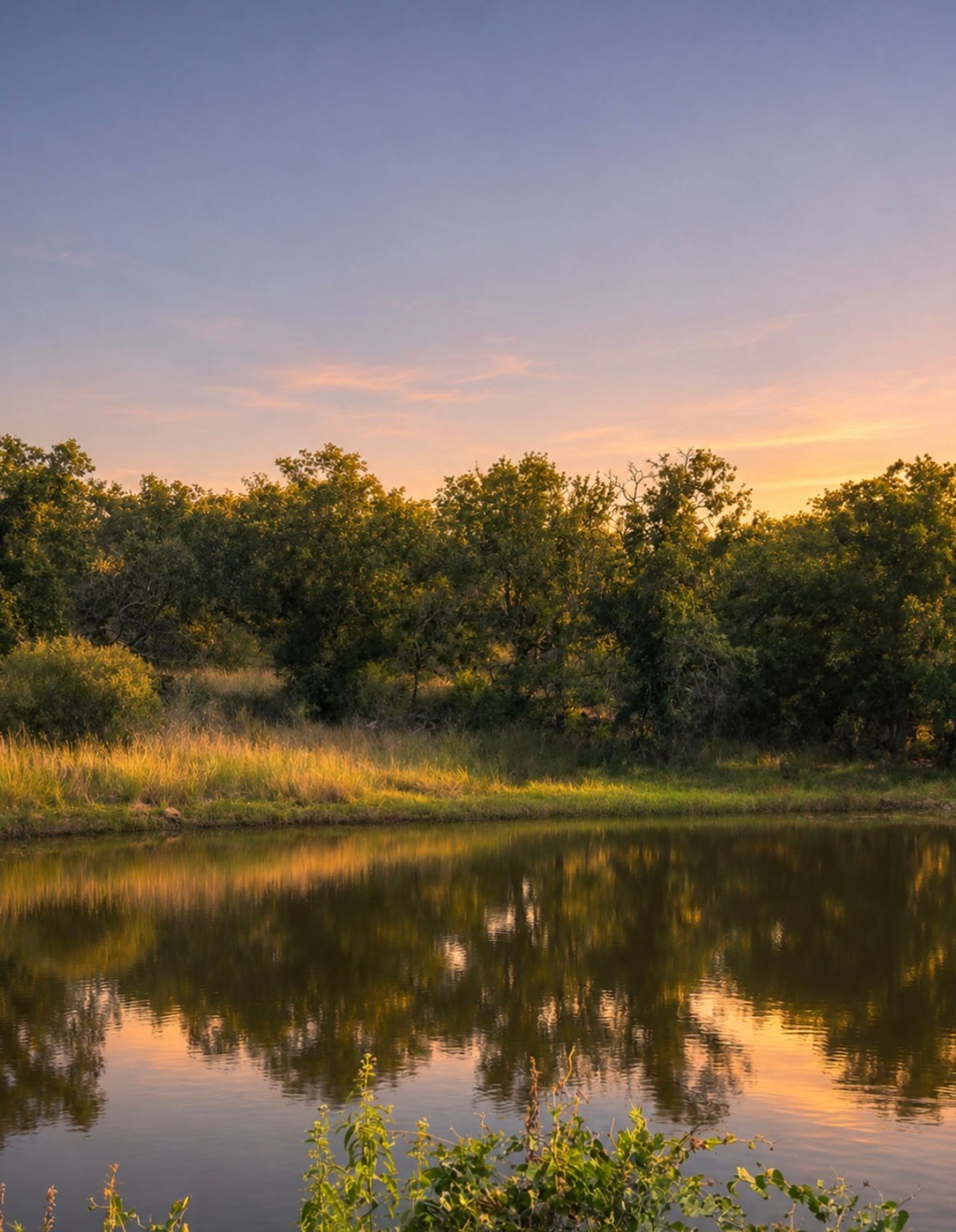
Privacy is a common answer, but it can mean different things. For one person, it might be having enough distance between houses that they no longer see directly into a neighbor's windows. For another, it could mean sitting on the back porch overlooking a pasture, with nothing but trees and open sky beyond the fence.
Some buyers have very specific plans. They want horses, a workshop, a garden, or room for their children to enjoy being outside. Others simply know they're ready for something different and haven't quite figured out what that looks like yet.
I enjoy working through those possibilities because the answers can change the direction of the search entirely.
There's no reason to purchase ten acres if two well-designed acres would give you everything you want. Likewise, a buyer hoping to keep several horses or eventually build substantial agricultural improvements may discover that the smaller properties they originally considered aren't particularly practical.
The number of acres matters, but how those acres are arranged and what you're allowed to do with them can matter even more.
A property with a beautiful home, established trees, and a few usable acres might offer a wonderful balance for someone transitioning from suburban living. A larger tract with extensive pasture and existing improvements could make more sense for someone whose plans involve livestock or a more hands-on rural lifestyle.
I want to understand what you're picturing before we begin deciding how much land it will take to make that picture possible.
The North Texas You Know Can Still Be Close By
One of the biggest advantages of searching for acreage around Dallas-Fort Worth is the variety of communities and landscapes surrounding the metroplex.
Areas around Aubrey, Pilot Point, Argyle, Celina, and other communities north of DFW offer different combinations of residential acreage, horse properties, and rural land. West of Fort Worth, places such as Weatherford and the surrounding Parker County countryside provide another opportunity to explore a lifestyle with more open space. Elsewhere around the region, there are smaller communities and rural properties that may be worth considering depending on a buyer's priorities.
I don't think the right starting point is necessarily the town with the most acreage listings. It's the location that allows your everyday life to continue working.
North Texas is a large region, and a property that looks reasonably close on a map can feel much farther away once you're making the drive regularly. That extra fifteen or twenty minutes might seem insignificant during a peaceful weekend showing, but it can feel entirely different when you're navigating traffic after a long workday.
One of the things I always recommend is driving your normal routes during the hours you'll actually be using them. If you're commuting to work, try the drive during morning traffic. If you're regularly picking up children from activities, visiting family, or heading into town for errands, think about what those trips will involve.
A beautiful home at the end of a quiet country road can be exactly what you've been searching for. I simply want you to enjoy the drive home rather than eventually resent it.
There's also something to be said for staying connected to the people and places that make North Texas feel like home. Favorite restaurants, close friends, community activities, and the conveniences you've grown accustomed to don't necessarily have to disappear because you want a few acres.
For many buyers, finding that balance is the real goal.
Five Acres on Paper Can Look Very Different in Person
It's easy to romanticize acreage, especially when you're looking at beautiful photographs of long driveways, white fences, barns, and open pastures. Those images are appealing for a reason, and I love seeing buyers get excited about the possibilities.
What isn't always obvious from a listing is how much of the property can actually be used for the things they have in mind.
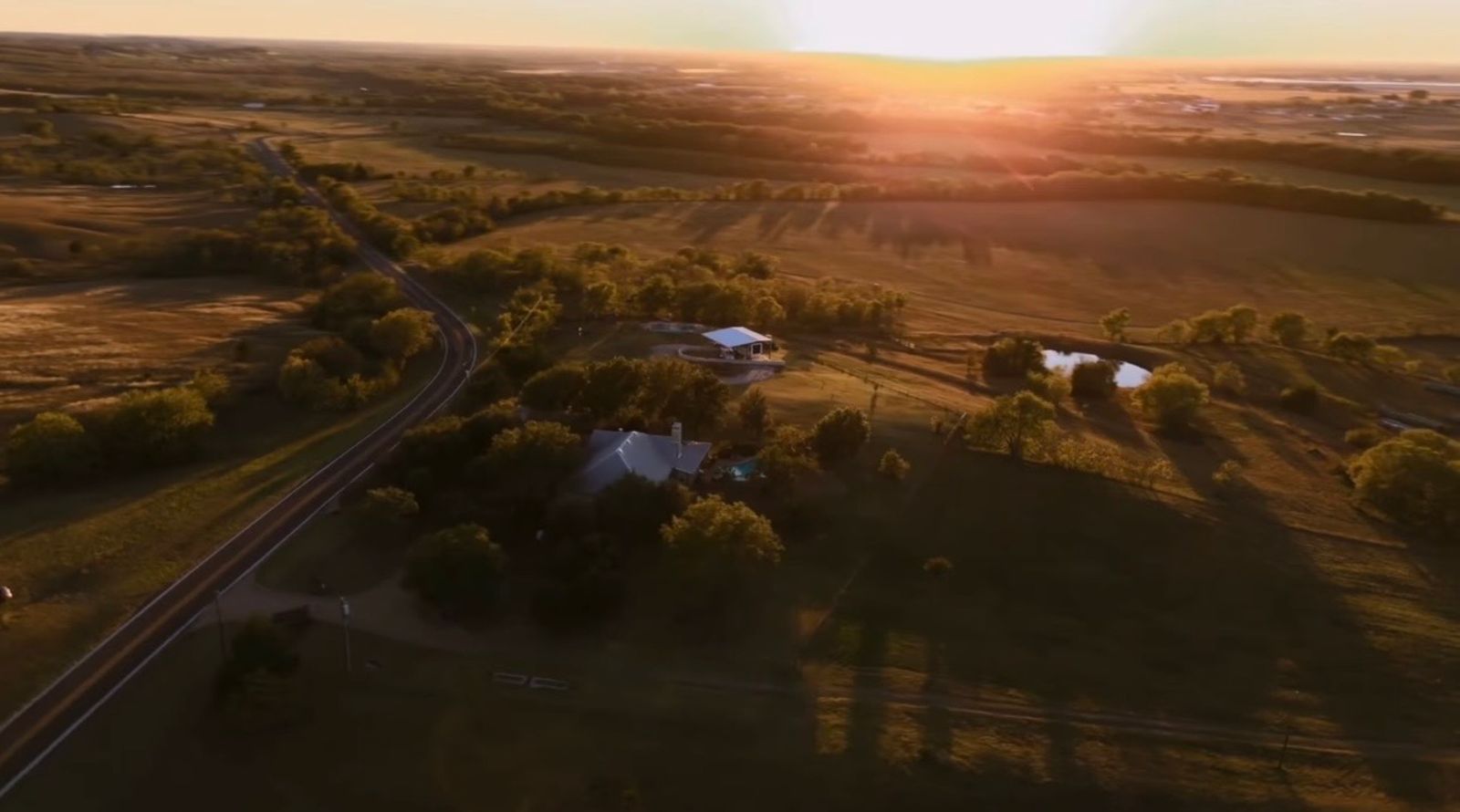
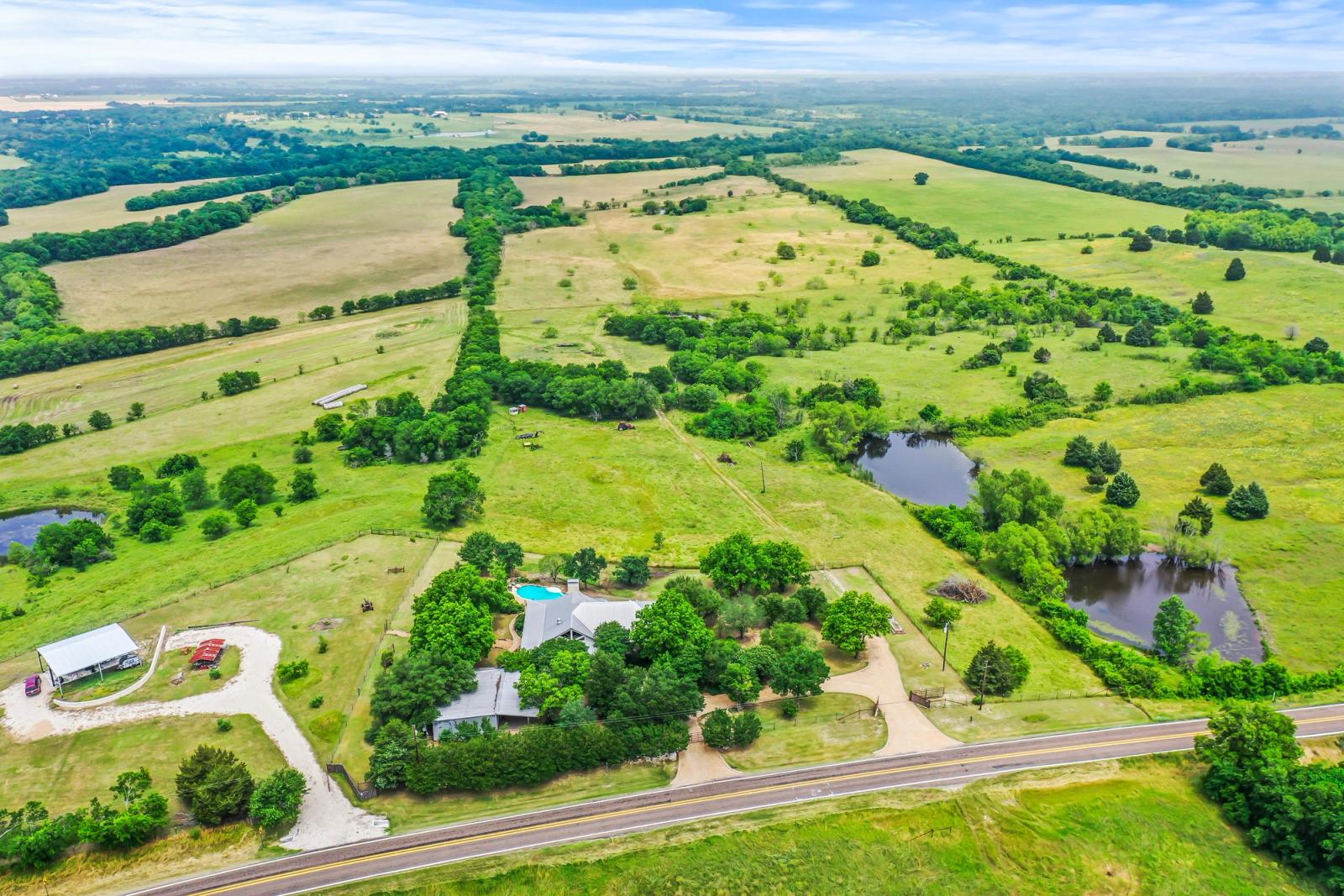
A five-acre tract with a house positioned near the center, a large pond, and significant drainage areas may offer less room for additional improvements than someone expects. Another five-acre property might have a smaller homesite, an established pasture, and a layout that provides considerably more flexibility.
Neither is necessarily better, but they aren't interchangeable.
When we're looking at acreage, I want to consider the layout of the land, its natural drainage, existing structures, property boundaries, easements, and where future improvements might realistically go.
If you want to build a shop, we need to consider more than whether there's an open area beside the house. We need to understand whether the structure is permitted, where it can be located, how large it can be, and what access and utilities it will require.
If horses are part of the plan, the conversation changes again. Suitable pasture, safe fencing, water, shelter, drainage, and space for handling or exercising animals become important considerations. Having enough acreage for a horse and having a property that's appropriately equipped for one are not necessarily the same thing.
North Texas properties also vary considerably in their soils, vegetation, and terrain. A lovely green pasture in the spring may require different care during a dry summer, and a property with a significant amount of wooded or low-lying ground may offer a different kind of usefulness than an open, well-drained tract.
I want buyers to appreciate the beauty of a property while also understanding what it will take to make the most of it.
A Little More Freedom Comes With a Few More Responsibilities
One of the most appealing things about owning acreage is the sense of freedom it can provide. There's something wonderful about being able to step outside, enjoy your own space, and make plans that would have been difficult on a traditional neighborhood lot.
Still, I think it's important to understand that owning land comes with a different set of responsibilities.
A large yard can take more time and equipment to maintain. Pastures may need mowing, brush management, or other ongoing care. Fences need repairs, gates require maintenance, and longer driveways can become their own projects over time.
If the property has a barn, shop, pond, or other improvements, those are additional structures and features to look after. Livestock introduce daily responsibilities that don't disappear when you're busy or planning to travel.
None of those things should discourage someone from pursuing acreage. For many people, caring for the property becomes one of the most rewarding parts of ownership.
I simply want buyers to consider how much time they want to spend maintaining their land and what they might prefer to hire someone else to handle.
There's a meaningful difference between enjoying a few hours outdoors on a Saturday morning and feeling as though every weekend has become a list of projects that never quite ends.
The goal is to find property that adds something valuable to your life, not one that creates responsibilities you weren't expecting.
Understanding What You're Actually Buying
The transition from a traditional neighborhood to rural property often introduces questions that buyers haven't needed to consider before.
In many suburban homes, utilities are straightforward. Water, sewer, electricity, internet, and trash collection are already established, and the responsibilities associated with those services are relatively familiar.
Acreage properties can be different.
Some have access to public or cooperative water service, while others rely on private wells. Some have conventional utility connections, and others may require additional infrastructure. Septic systems are common in rural areas, and their condition, capacity, maintenance requirements, and suitability for future improvements deserve attention.
Reliable internet is particularly important for buyers who work from home, and I don't like assuming that service will be available simply because an address appears close to a growing community.
Restrictions are another consideration that can surprise buyers.
Purchasing five or ten acres doesn't necessarily mean you can build whatever you want or keep any type of animal on the property. Depending on the location, deed restrictions, subdivision rules, HOA requirements, municipal regulations, and other applicable limitations may affect barns, shops, additional residences, livestock, fencing, and property uses.
A property outside a traditional neighborhood can still have meaningful restrictions.
I'm also interested in how the property is accessed. Is it on a public road or a private road? Is there a documented easement where one is needed? Who maintains the road, and will it accommodate the vehicles or equipment you expect to use?
These are the kinds of details that don't always stand out during a showing, but they can have a lasting effect on ownership.
I would rather spend time answering those questions before someone purchases a property than have them discover afterward that an important part of their plan isn't possible.
The Purchase Price Is Only Part of the Budget
When buyers begin exploring acreage, it's natural to focus on the price of the home and land. That number is important, but I also want to understand what ownership will cost after closing.
A larger property may require different equipment, more extensive maintenance, increased utility expenses, or improvements that weren't necessary in a neighborhood home. Fencing, driveway work, pasture management, septic maintenance, and repairs to outbuildings are all costs worth considering.
If you're purchasing a property with plans to add a shop, barn, or other improvements, obtaining realistic estimates can help determine whether the property still makes sense financially.
Property taxes deserve a separate conversation.
Some rural Texas properties receive agricultural or wildlife-management special appraisal, which can significantly affect taxable value. Eligibility depends on specific requirements, including qualifying use and the property's history. Owning a certain number of acres or keeping a few animals doesn't automatically establish eligibility.
I want buyers to understand how the property is currently appraised, what requirements may apply to their intended use, and whether a change in use could create additional tax consequences. Those questions may require information from the county appraisal district or guidance from a qualified tax professional.
There's nothing wrong with buying land simply because you want space and privacy. I just don't want someone making financial assumptions based on the idea that every acreage property comes with the same tax advantages.
The more clearly we understand the full cost of ownership, the easier it becomes to find a property that fits comfortably into someone's long-term plans.
Finding the Right Amount of Room to Breathe
What I find most interesting about helping people move from suburban living into acreage is that the motivation is rarely about land alone.
It's about what they believe that space will allow them to do.
Maybe they want their children to spend more time outside. Maybe they've dreamed of having horses since they were young, or they've finally reached a point where building a workshop feels possible. Some buyers simply want a quieter place to come home to, where they can sit outside in the evening and enjoy a little distance from the world around them.
Those are all meaningful reasons to make a move.
I also think there's value in recognizing that more land isn't automatically a better lifestyle. Ten acres can be wonderful for someone who wants to care for it, while two acres may offer all the privacy and flexibility another person needs.
The right amount of space is the amount that supports the life you want without asking you to give up more than you're comfortable with.
For some people, that means finding a home near the edge of a growing North Texas community, where shopping, dining, and everyday conveniences remain close by. Others may be happiest farther into the countryside, where maintaining a property and enjoying its quiet are part of the appeal.
I don't want to decide that balance for anyone. I want to help buyers understand their options well enough to recognize it for themselves.
North Texas offers some wonderful opportunities to enjoy more land without completely disconnecting from the life you've already built here.
The important part is knowing what you're looking for beyond the acreage.
Because sometimes what you really need isn't ten acres or a bigger house. It's simply enough room for the life you've been wanting to live.