
Land & RanchTexas Hill Country
Before You Buy Hill Country Land: The Questions That Matter More Than Acreage
Beautiful Hill Country land is only the beginning. Stephanie Wilbanks shares how she evaluates water, terrain, access, and the practical realities that determine whether a property fits the life a buyer envisions.
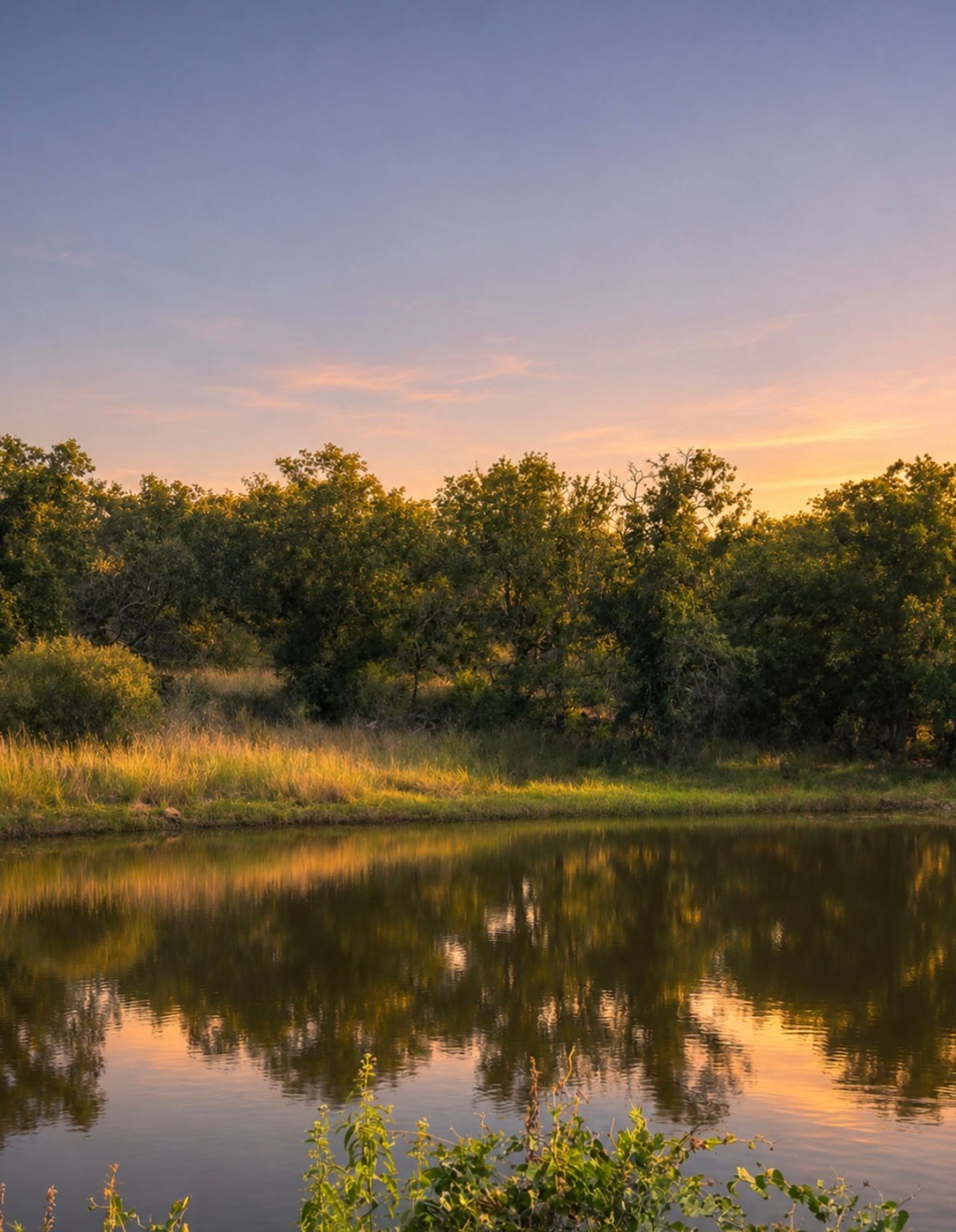
Finding the right piece of Texas begins with understanding what the land can offer, what it may require, and how you hope to live on it.
There's a certain anticipation that comes with turning down a caliche road to look at a piece of land in the Texas Hill Country. Maybe it's the live oaks scattered across an open pasture, the unexpected view from a limestone ridge, or the quiet that settles in once you've left the highway behind. Before we've made it very far through the property, it's easy to begin imagining where a house might sit, where the horses could graze, or what it would feel like to spend a Saturday morning with nowhere in particular to be.
I understand that feeling. It's one of the reasons I love living here.
The Hill Country has a way of making people fall in love with a place before they've learned much about it. Our landscapes are beautiful, but they're also wonderfully varied. A few miles can take you from relatively level pastureland to steep, rocky hillsides, thick cedar breaks, or a creek bottom shaded by towering hardwoods. Each has its own character, possibilities, and limitations.
When I'm evaluating Hill Country land with a buyer, I look well beyond the acreage advertised in a listing. Water availability, legal access, usable terrain, soils, utilities, and property restrictions can all influence whether a tract will serve its intended purpose. Understanding how those characteristics work together, rather than considering each in isolation, helps us determine whether a property is truly suited to the life someone hopes to build.
Acreage and asking price tell us where to begin our conversation. They rarely tell us enough to make a good decision.
First, I Want to Understand the Life You're Imagining
When someone tells me they're looking for twenty, a hundred, or a thousand acres, my next question usually has less to do with the number and more to do with how they intend to use the property.
Are they hoping to build a home and have a little distance between themselves and their neighbors? Do they want a place for horses, a few cattle, or a garden? Are they looking for recreational land where they can hunt, spend weekends with family, and eventually retire? Perhaps they want a working ranch, or maybe they're hoping to purchase enough property that their children might someday build nearby.
Those answers shape almost everything about how I evaluate a property.
Twenty acres of relatively level, accessible land with dependable water might offer exactly what one family needs. A hundred acres of rugged hills, thick vegetation, and limited usable pasture could be ideal for someone who values privacy, wildlife, and dramatic views. Neither property is inherently more desirable. Their value to a particular buyer depends on how well they support the intended use.
I also want to understand what someone is comfortable maintaining. Owning rural property comes with responsibilities that don't always make their way into the dream. Roads need attention, fences require repairs, brush grows, equipment breaks, and livestock need care regardless of the weather or what else happens to be on the calendar.
For some people, that work is part of the appeal. For others, it's something they would prefer to keep manageable.
I've found that conversations about these everyday realities are often more revealing than discussions about acreage. They help us distinguish between what someone admires about a property and what they genuinely want from landownership.
That distinction can save a buyer considerable time, money, and disappointment.
Water Is Where My Questions Become More Specific
If there's one subject that deserves particular attention when purchasing Hill Country land, it's water.
Anyone who has spent time in this part of Texas understands how dramatically our landscape responds to rainfall. We can go from dry creek beds and tired pastures to flowing draws and green hillsides after a good rain. That variability is part of living here, and it makes understanding a property's water resources especially important.
When a property has an existing well, I want to know as much as we reasonably can about it. Well reports, drilling records, reported production, depth, water quality, storage capacity, and the condition of the equipment all provide pieces of the larger picture. I also want to understand whether the system has been evaluated recently and if its performance is appropriate for the buyer's intended use.
A well report showing a particular production rate is useful, but it doesn't necessarily establish what that well can reliably produce today. A reported twenty gallons per minute during an earlier test, for example, doesn't tell us everything about sustained production, recovery, or how the well may respond during an extended dry period.
I've encountered situations where a well report provided one piece of information about production, while neighborhood restrictions raised separate questions about the equipment and pumping capacity permitted on the property. Those are different considerations, and understanding one doesn't automatically resolve the other. It's the kind of distinction that can be overlooked when someone sees a promising number on a report and assumes the water question has been answered.
Groundwater conditions can vary considerably across the Hill Country, even between neighboring properties. The geology beneath the surface matters, as do the aquifer, local groundwater conservation district rules, and the demands that will be placed on the system. I don't believe in assuming a neighboring well's performance guarantees what another well will do.
When a buyer plans to build, keep livestock, irrigate, or add multiple improvements, the water conversation becomes particularly important. We may need to involve a qualified well professional to evaluate the existing system, conduct appropriate testing, or provide guidance on the possibilities and uncertainties associated with drilling a new well.
Surface water brings another set of considerations. A beautiful creek winding through a property may be seasonal rather than perennial. A pond that looks wonderful after spring rains might behave differently by late summer. Drainage patterns, floodplain considerations, and the legal rights associated with surface water all deserve attention.
Water is easy to admire when it's running through a creek or filling a stock tank. Understanding where it comes from, how reliably it's available, and whether it can support your plans requires a different kind of attention.
For buyers who want to begin researching groundwater before touring property, the Texas Water Development Board provides valuable public information on aquifers and well records. Those resources can help frame the questions we ask, although they aren't a substitute for evaluating the actual water system on a particular tract.
For me, that conversation needs to happen well before someone begins making permanent plans for the property.
Beautiful Terrain and Usable Land Aren't Always the Same Thing
One of the things I appreciate most about the Hill Country is that no two properties seem quite alike. The landscape can change dramatically within a single tract, and those variations often contribute to its appeal.
They also influence how the property can be used.
A ranch with sweeping elevation changes and impressive views may have relatively little ground suitable for the improvements a buyer envisions. A gentler piece of land might provide more flexibility for building, livestock, and everyday access, even if it lacks the dramatic scenery of a neighboring property.
Neither is necessarily the better purchase. I want my clients to understand the difference before deciding what those features are worth to them.
As we move through a property, I'm looking at the natural contours of the land and considering how they might affect future plans. Where would a home make sense? What would it take to build a driveway to that location? Are there drainage areas that need to be considered? How accessible are the pastures, and what would maintaining roads across the property involve?
A homesite that looks extraordinary from a distant hill may require significant excavation, engineered foundations, specialized septic planning, or additional utility infrastructure. Those possibilities don't automatically make it a poor choice, but they deserve consideration when evaluating the overall investment.
The soils and vegetation tell us something, too.
Rocky ground, shallow soils, established hardwoods, thick brush, and open grasslands all contribute to the character of a place. Their practical significance depends on what someone wants to do with the property. Land suitable for a recreational retreat may not be especially productive for grazing. A pasture that looks promising in a photograph may support fewer livestock than a buyer expects once forage conditions, soil characteristics, water availability, and rainfall are considered.
This is particularly relevant when comparing properties across communities such as Mason, Fredericksburg, Llano, and Burnet. While each area offers its own appeal, the practical characteristics of the land can vary substantially, even within the same county. A secluded recreational tract outside Mason may call for a different evaluation than a future homesite near Fredericksburg, where convenient access to town might be an important priority. In Llano or Burnet, as elsewhere in the region, one property may offer accessible pasture and useful improvements while another is prized primarily for its elevation, privacy, or natural setting.
The county name alone tells us very little about what a particular tract can support.
I pay attention to the types of vegetation, the condition of existing pastures, and whether there are signs of erosion or land-management challenges. When appropriate, we can review soil surveys, topographic information, and other available resources to gain a better understanding of the property.
For someone interested in wildlife, a heavily wooded tract with varied habitat may be particularly appealing. A buyer planning to keep horses could have very different priorities, including suitable ground, fencing, shelter, and convenient access to water.
This is why I hesitate to describe acreage as either good or bad without understanding its purpose. The ground itself needs to be considered in the context of the life someone intends to build upon it.
The Details You Won't Find in a Beautiful Photograph
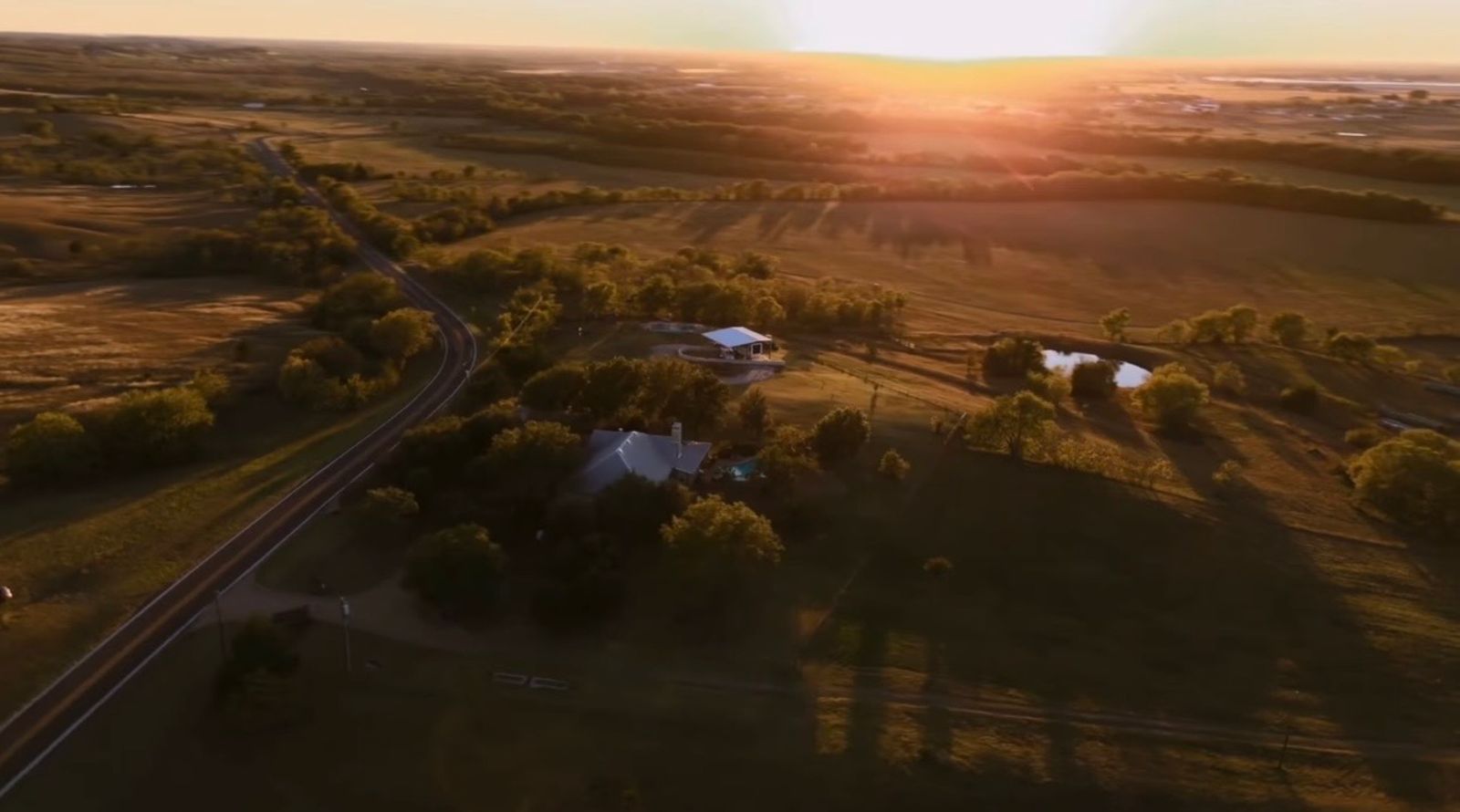
Real estate photography has become remarkably sophisticated, and I appreciate the value of showing a property at its best. Aerial photographs can help buyers understand the general layout of a ranch, while carefully composed images bring attention to its most appealing features.
What photography cannot always convey are the less visible characteristics that influence ownership.
Access is one of the first things I consider. A winding ranch road might look perfectly inviting, but I want to establish whether access is public or private, how it is legally documented, and who is responsible for maintaining it. An established route across another person's land isn't necessarily the same thing as a legally enforceable easement.
I'm also interested in how that road functions under less-than-ideal conditions. A low-water crossing that seems insignificant during dry weather can become a meaningful consideration after heavy rain. The ability of construction equipment, delivery trucks, and emergency vehicles to reach a future homesite may also affect a buyer's plans.
Boundaries, easements, and property restrictions deserve equally careful consideration.
Fences don't always follow surveyed property lines. An acreage tract outside city limits isn't automatically free from deed restrictions or other limitations. Mineral ownership and existing mineral leases may introduce additional questions about surface use. Depending on the property, conservation easements, subdivision restrictions, and other recorded agreements may affect what a buyer is permitted to do.
If someone hopes to build multiple residences, operate a business, establish a short-term rental, or eventually divide the land, I want those intentions discussed early enough that we can investigate the applicable requirements.
Utilities are another area where assumptions can become expensive.
Electric service near a property doesn't necessarily mean connecting a new home will be simple or inexpensive. The distance from existing infrastructure, available capacity, required easements, and the utility provider's requirements can significantly influence installation costs. Internet availability needs to be verified at the location where service will actually be used, particularly for buyers who intend to work remotely.
Septic feasibility deserves attention before a buyer becomes committed to a particular building location. Soil characteristics, terrain, available space, and local permitting requirements can all influence the type of system that may be approved.
None of these considerations necessarily rules out a property. They do, however, help us understand what it may take to make the land functional.
A beautiful piece of property can still be a wonderful investment when it requires additional improvements. I simply want buyers to understand those costs and limitations as part of their decision rather than discover them after closing.
A Property Doesn't Exist in Isolation
When evaluating rural property, I also spend time looking beyond its boundaries.
The surrounding landscape influences how a property feels today and how it may function in the future. Large neighboring ranches can offer a wonderful sense of privacy, while nearby development, shared access roads, commercial activity, or changes in surrounding land use may affect the experience of ownership.
I want to understand what we reasonably can about adjacent properties and existing uses. It's also important to recognize that neighboring land can change hands, and a peaceful view across someone else's pasture doesn't necessarily mean the landscape will remain unchanged forever.
Distance is another consideration that often becomes more meaningful after the excitement of a property tour has passed.
Living outside a Hill Country town can be a wonderful experience. It can also mean planning more carefully for groceries, medical appointments, school activities, feed-store runs, and the countless ordinary errands that are part of everyday life.
An hour's drive may be exactly what a buyer wants when they're looking for a weekend escape. That same drive can feel different when it becomes part of a daily routine.
I like to talk through those practical details rather than assume someone has considered them. How often do you expect to drive into town? Will the property be your primary residence or a weekend retreat? Do you need convenient access to schools, medical care, or a particular highway?
The answers may lead us toward entirely different areas of the Hill Country, even when the acreage and budget remain the same.
Property taxes deserve attention as well. Many rural tracts benefit from agricultural or wildlife-management special valuation assessment, which can make a meaningful difference in annual ownership costs. These arrangements have specific qualifications and requirements, and a property's current valuation doesn't automatically establish that the next owner will qualify or maintain the same treatment.
I want buyers to understand the property's current appraisal status, the requirements that may apply to their intended use, and the potential tax consequences of changing that use. The Texas Comptroller's agricultural and timber property tax resources are a useful starting point, while the county appraisal district can address property-specific eligibility and requirements.
These considerations might not be the reasons someone falls in love with the land, but they can have a tremendous influence on whether they continue to enjoy owning it.
The Value of Knowing What to Ask
One of the most important things I've learned in real estate is that good representation isn't about having an immediate answer to every question.
It's about recognizing which questions matter, knowing where to look for reliable information, and understanding when another professional needs to be involved.
A surveyor can help establish boundaries and address survey questions. A well professional can evaluate water-system performance. A title company or attorney can help clarify legal documents and recorded interests. Engineers, septic professionals, agricultural specialists, and county officials may each provide important information depending on the property and the buyer's plans.
My responsibility is to help clients identify relevant concerns, coordinate the appropriate due diligence, and understand how the information we gather affects their decisions.
That process looks different for every property.
Some tracts have extensive records, established improvements, reliable access, and a history of uses that closely align with the buyer's intentions. Others require considerably more investigation. Neither situation necessarily determines whether a property is worth purchasing.
I don't approach due diligence as an exercise in finding reasons to walk away. I see it as an opportunity to make sure that the property we're considering is the property my client believes they're buying.
There are times when the research confirms that we've found a wonderful fit. Occasionally, it reveals circumstances that change our approach, influence an offer, or lead us to consider another property.
I would much rather have an informed conversation about a difficult issue before closing than help someone navigate an avoidable disappointment afterward.
Ultimately, that's the kind of confidence I want buyers to have when they're making a substantial investment in land.
Finding Your Piece of the Hill Country
I understand why people are drawn to this part of Texas. There's something deeply appealing about a place where you can see the stars at night, watch the seasons change across the pasture, and enjoy the kind of quiet that seems increasingly difficult to find.
For some, owning land is a lifelong goal. For others, it's the beginning of an entirely new chapter. There are families hoping to give their children room to grow, ranchers looking for productive ground, and people who simply want somewhere to spend time outdoors with those they love.
Those are meaningful reasons to purchase property, and I believe they deserve an equally thoughtful approach to finding it.
The right piece of land doesn't have to be perfect. It may need fencing, improvements, careful management, or a little imagination. What matters is understanding those realities and deciding whether they fit the life you're hoping to create.
When I'm helping someone buy land, I want them to appreciate its beauty, certainly. I also want them to understand its capabilities, limitations, responsibilities, and possibilities. I want the decisions we make together to be grounded in good information and an honest assessment of what the property can offer.
Years from now, when the excitement of the purchase has settled into the familiarity of everyday life, the acreage on the deed probably won't be what you think about most.
You'll think about the mornings on the porch, the cattle in the pasture, the family gathered around the table, or the quiet drive through the gate at the end of a long week.
The measure of a good land purchase isn't simply how much Texas you own. It's how well that piece of Texas becomes part of the life you wanted.