
Texas MarketsNorth Texas
Where the Metroplex Starts to Feel Like Texas Again
Beyond the busy neighborhoods of DFW, communities like Weatherford, Aledo, Argyle, Decatur, Springtown, and Bowie offer a different pace of North Texas life. Paris Wilbanks explores what makes each area special and how to find the right balance between city and country.
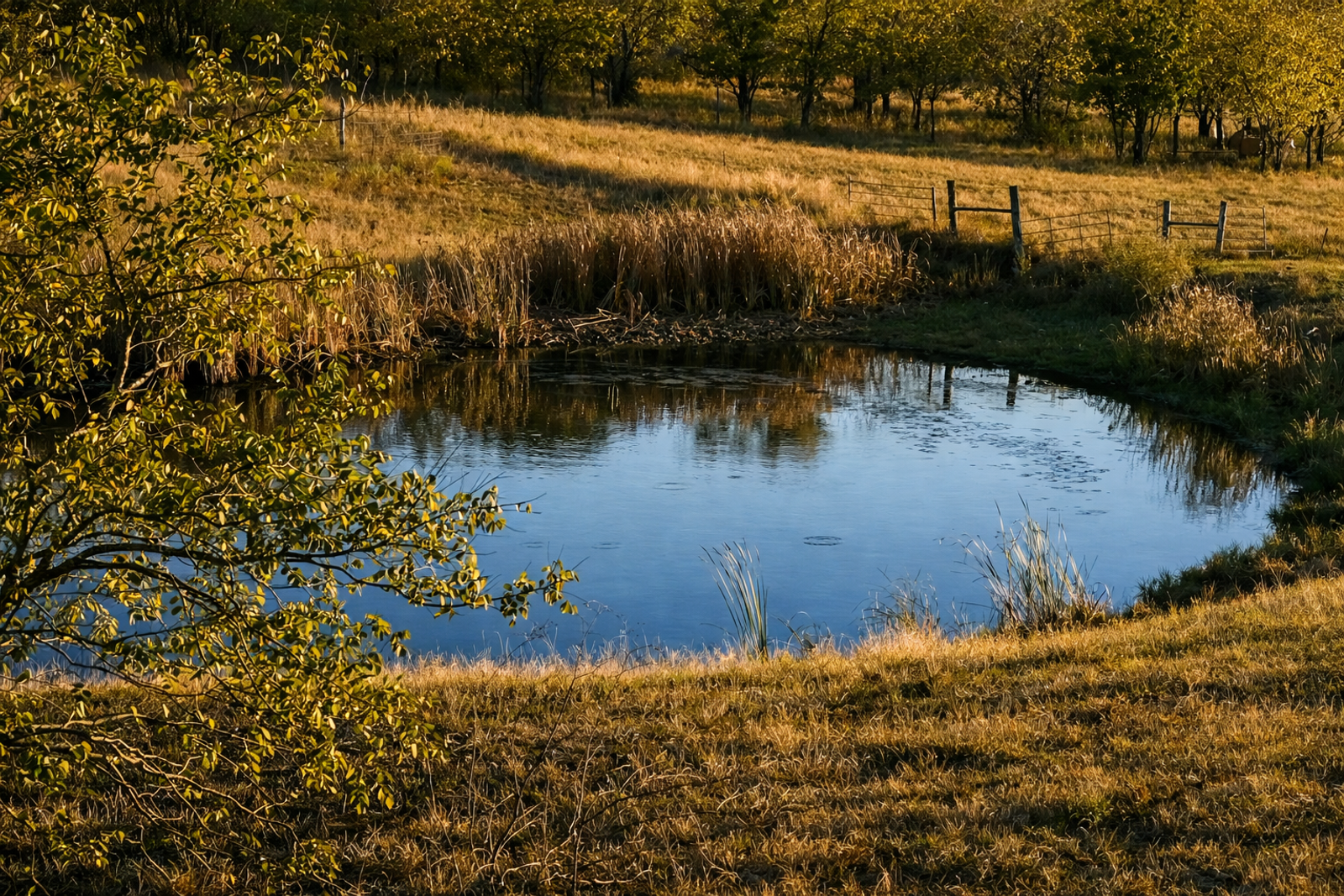
Beyond the neighborhoods and busy highways, North Texas offers a different kind of everyday life. Sometimes finding it means exploring a little farther down the road.
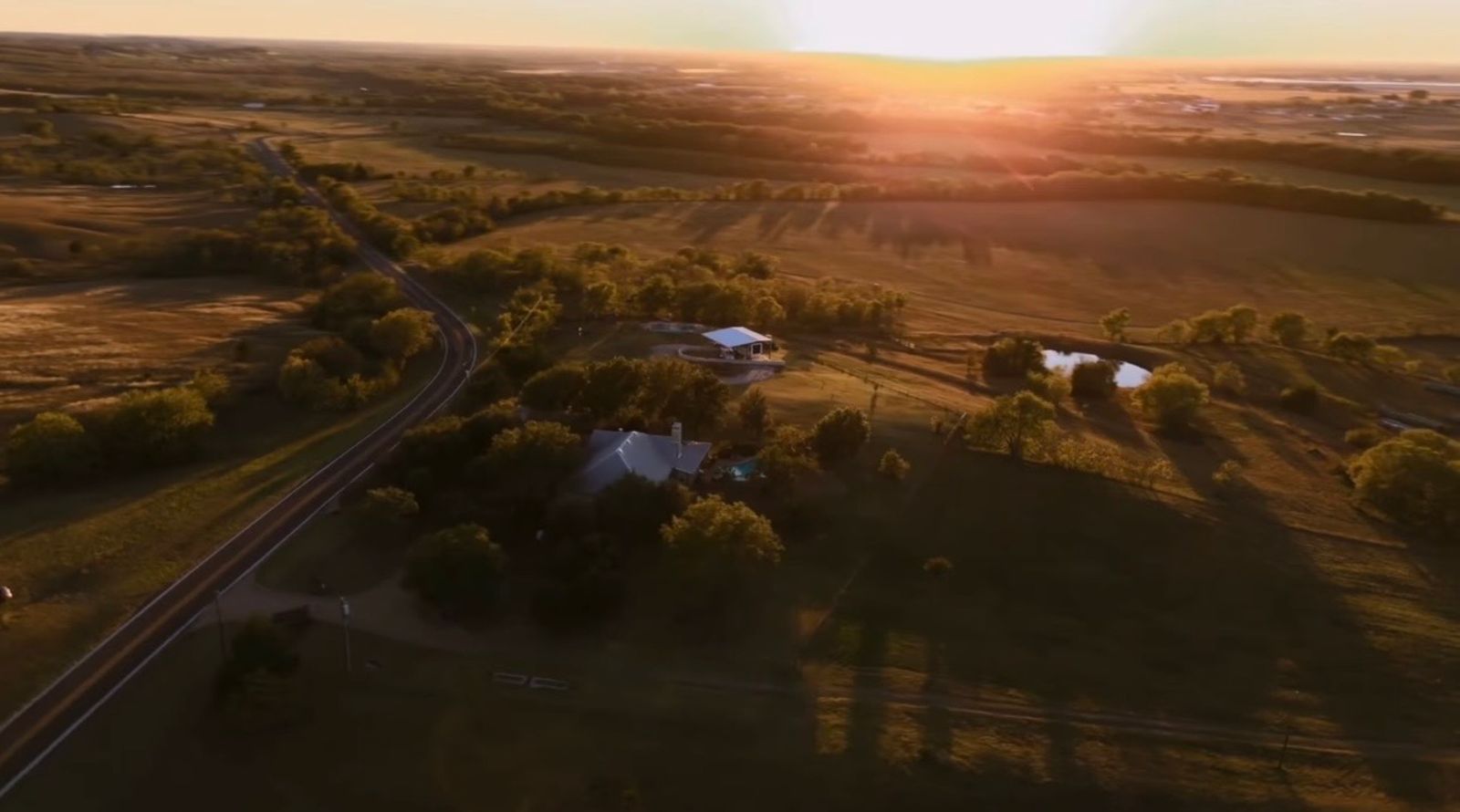
One of my favorite things about North Texas is how much the landscape can change without traveling all that far from Dallas-Fort Worth. You can leave behind the busy intersections, shopping centers, and neighborhoods where the houses seem to get closer together every year, and eventually find yourself driving past open pastures, horses grazing beneath the trees, and ranch entrances that have been there for generations.
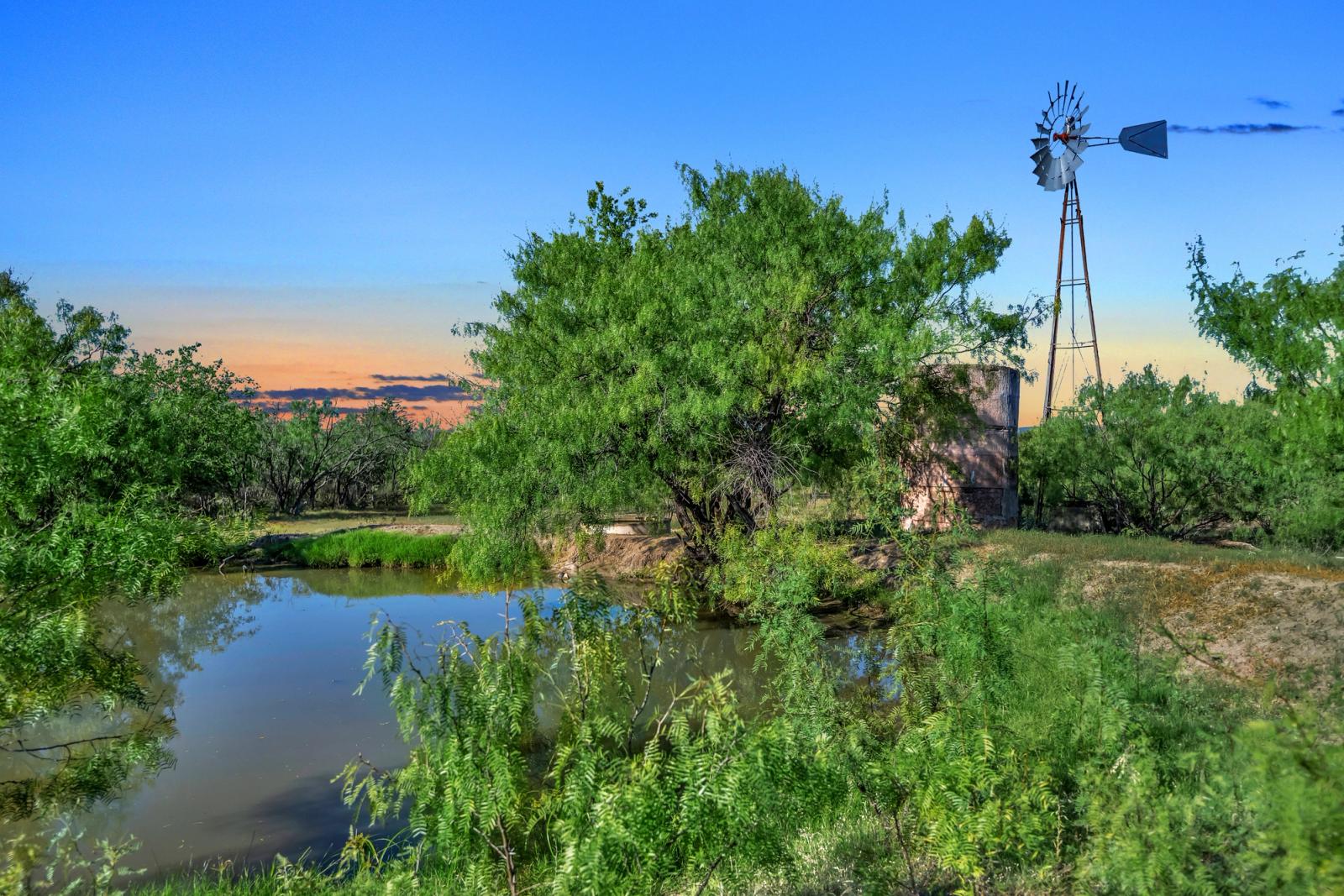
The change isn't always dramatic. Sometimes it happens gradually, somewhere between the last subdivision and the next little town. The traffic begins to thin, the properties become larger, and the scenery starts to feel a little more like the Texas countryside many of us grew up loving.
For people who enjoy the opportunities and conveniences of DFW but have begun wishing for more space, that possibility can be incredibly appealing. They don't necessarily want to leave North Texas. They simply want to find a different pace of life within it.
What I find interesting is that there isn't one particular town or stretch of countryside that offers the perfect answer. The communities surrounding the Metroplex have their own personalities, traditions, landscapes, and relationships with the cities nearby. Some are growing quickly while holding onto their rural roots. Others still feel distinctly small-town, with working ranches, family businesses, and local traditions woven into everyday life.
When I'm helping someone explore these areas, I want them to experience more than the houses and acreage available for sale. I want them to get a sense of the community itself, because choosing where to live is about becoming part of a place.
Argyle: Country Character Near the Northern Metroplex
Argyle is one of the communities I think of when someone wants a little more breathing room but still values access to the conveniences of North Texas.
There's a recognizable country influence throughout the area, with horse properties, established homes on larger lots, and beautiful stretches of land that feel different from the more densely developed neighborhoods nearby. At the same time, Argyle is closely connected to Denton, Flower Mound, and the growing northern side of the Metroplex.
That combination is part of its appeal. Someone may be looking for room to keep a horse, build a workshop, or simply enjoy a little distance between neighboring homes without feeling completely removed from shopping, restaurants, and everyday activities.
I also think Argyle is a good example of why buyers need to pay attention to the particular property rather than relying on a town's reputation. The area includes established acreage properties, residential neighborhoods, and places where development continues to change the surrounding landscape. Two homes with an Argyle address can offer very different experiences.
A beautiful property with mature trees and a few acres may provide exactly the privacy someone wants, while another property nearby might have restrictions that affect livestock, additional buildings, or future improvements.
For buyers drawn to Argyle, I would want to understand how much countryside they're hoping to have around them and how important it is to remain close to the activity of the northern Metroplex.
There's room for different lifestyles here, and finding the right balance is what matters.
Decatur and Bowie: Where the Countryside Becomes Part of Everyday Life
As you travel northwest toward Wise and Montague counties, the connection to rural Texas becomes increasingly visible.
Decatur is one of those places where the town itself still has a strong sense of identity. Its historic courthouse, downtown businesses, and surrounding agricultural landscape give it a character that's different from the rapidly developing suburbs. It's a place where you can appreciate the conveniences of a county-seat town while remaining close to working ranches, open fields, and smaller rural communities.
The surrounding countryside offers a variety of possibilities for people interested in acreage. Depending on the property, that might mean a home with a few acres and room for animals, a larger tract with agricultural use, or a quiet place where privacy is one of the main attractions.
Decatur also has established highway connections toward Fort Worth and the broader region, which can make it worth exploring for buyers who want a rural setting but still need to travel into the Metroplex.
Farther northwest, Bowie offers another expression of small-town Texas life. Its roots in Montague County, surrounding ranch country, and more rural setting create an atmosphere that can appeal to someone who wants greater separation from the pace of the city.
There are open pastures, wooded tracts, established agricultural properties, and landscapes that feel particularly well suited to buyers who enjoy livestock, outdoor recreation, or simply having more land around them.
I appreciate that these communities still have a relationship with the countryside that goes beyond the appearance of a property. Ranching and agriculture are part of the region's history and continue to influence the way many people live.
Of course, the farther you move from the Metroplex, the more important it becomes to think carefully about your daily schedule. A property outside Bowie may offer wonderful privacy, but the distance to a particular workplace, school, or service could be significantly greater than someone anticipates.
For a buyer who works remotely, travels into the city occasionally, or is looking for a more rural chapter of life, that distance may be a welcome tradeoff. Someone who needs to commute across DFW every morning may see it differently.
I don't think either preference is wrong. Understanding what you're willing to exchange for more space helps us decide which areas deserve a closer look.
Springtown: A Little Country Within Reach of Fort Worth
Springtown has a particular appeal for buyers who are drawn to country living but still need a practical connection to Fort Worth.
Located northwest of the city along Highway 199, Springtown has the kind of small-town atmosphere that can feel refreshing after spending years in a busy suburban neighborhood. The surrounding countryside includes acreage homes, pastureland, and properties where barns, shops, and room for animals are part of the appeal.
For someone who wants more privacy, a place to keep livestock, or enough land to enjoy being outdoors, it's an area I think is worth exploring.
One thing I would be careful about, however, is assuming that being relatively close to Fort Worth means every commute will be easy. The specific location of a property, the roads connecting it to town, and the hours someone needs to travel can make a substantial difference.
There are buyers who would be perfectly happy spending a little more time on the road in exchange for coming home to several acres. Others may realize that a longer drive every weekday would take away some of the freedom they were hoping to gain.
That's why I like to think about a property in the context of an ordinary day. If you're leaving early for work, picking up children in the afternoon, and heading back into town for evening activities, how will that schedule actually feel?
Springtown can offer an appealing balance of rural living and access to the western side of DFW. The important part is determining whether that balance works for the people who will be living there.
Weatherford: A Place Where Horse Country Is More Than a Description
Weatherford has a special kind of appeal, particularly for people who love horses and the traditions that surround them.
It's known as the Cutting Horse Capital of the World, and that equestrian influence is a genuine part of the area's identity. The surrounding Parker County countryside is home to horse properties, training facilities, established ranches, and businesses that support the equine industry.
You can see that connection in the landscape. Barns, arenas, pasture fencing, trailers, and working properties aren't unusual sights. For someone who has spent years dreaming of having horses at home, the area can be particularly interesting because the surrounding community understands that lifestyle.
Weatherford also has a lively historic downtown, local restaurants, shops, and traditions that give it a distinct personality beyond its agricultural roots. It's a community where country living and an active town can exist alongside one another.
I like that there are several ways to experience the area. Some buyers may prefer a home close to town, with enough acreage for privacy but without extensive land maintenance. Others may be searching for a more established horse property or a larger tract farther into Parker County.
The distinction matters because a few acres with a beautiful home won't necessarily provide the facilities or usable land needed for someone's equestrian plans. Suitable ground, fencing, water, shelter, access for trailers, and room for future improvements deserve careful consideration.
Weatherford's location west of Fort Worth also makes it attractive to people who want access to the Metroplex while living in a community with its own established identity. Growth and traffic are part of that conversation, too, particularly along major routes and in areas experiencing increased development.
For someone who loves horses, ranching traditions, and a town with plenty of character, Weatherford offers a version of North Texas life that is very much its own.
Aledo: Friday Night Lights and a Strong Community Identity
Aledo has a different kind of energy, and one of the things that stands out to me is the importance of school activities and community involvement.
Football is a particularly recognizable part of Aledo's identity. The Bearcats have a remarkable history of success, and the enthusiasm surrounding high school athletics reflects a broader sense of community pride. For families who enjoy Friday night football games, school activities, and being involved in local traditions, that atmosphere can be appealing.
I think there's something special about a place where the community has things it genuinely enjoys coming together for.
Aledo also offers an interesting range of residential settings. Buyers may encounter established neighborhoods, newer developments, luxury homes, and properties with more land in the surrounding countryside.
For someone who wants space but doesn't necessarily want to live far from Fort Worth, portions of the Aledo area may offer an attractive balance. The important thing is understanding that the experience varies depending on the property and its location.
An established home on acreage can feel quite different from a newer neighborhood residence, even when both are associated with the same general community.
I would also encourage families who are drawn to a particular school district to verify attendance boundaries and school assignments for the specific address they're considering. A town name or mailing address doesn't always establish which schools serve a property.
While Weatherford's equestrian heritage may be part of what initially draws one buyer west, another may find that Aledo's community atmosphere, schools, and location fit their everyday priorities more comfortably.
Those differences are exactly why I enjoy helping people explore more than one community before they settle on a search area.
The Places Between the Towns Matter, Too
One of the things I've learned about searching for acreage is that some of the most interesting properties aren't located in the communities people first mention.
They may be outside the city limits, down a county road, or in a smaller area that doesn't immediately come to mind when someone begins looking.
The countryside surrounding Weatherford, Decatur, Bowie, Springtown, Aledo, and Argyle can change noticeably as you move farther from the main roads. In one direction, you may find established residential acreage properties. In another, the landscape may be more agricultural, with larger pastures, working ranches, and fewer nearby homes.
That's part of the attraction, but it also means we need to look carefully at what each property actually offers.
The availability of water and utilities, road access, deed restrictions, fencing, property boundaries, and the condition of the land can vary considerably. A buyer hoping to keep horses may need an entirely different kind of property than someone who simply wants privacy and a spacious backyard.
I also think it's important not to assume that every property with a country setting is unrestricted or that being outside a subdivision means there are no limitations on what can be built or kept there.
The property itself needs to support the lifestyle you're imagining.
Sometimes that means the right home is closer to town than someone originally expected. Other times, a buyer discovers that going a little farther into the countryside gives them exactly the space and flexibility they wanted.
Spend Time in the Community Before You Decide It Feels Like Home
I always encourage buyers to spend time in an area before deciding it's where they want to live.
Drive the backroads. Stop for lunch at a local restaurant. Visit the downtown shops, explore the surrounding countryside, and pay attention to the things that make each place different.
A community can feel wonderful when you're there on a quiet Saturday afternoon. I also want you to understand what it feels like on a weekday morning, when traffic is moving toward Fort Worth or Dallas and everyone is trying to get where they need to be.
If you're considering a longer commute, drive it during the hours you'll actually be traveling. If you're moving with children, think about school activities, sports, friendships, and the ordinary responsibilities that make up your family's schedule.
Pay attention to how far you'll need to travel for groceries, medical appointments, and the conveniences you use regularly. Some people enjoy having more distance between themselves and town. Others discover that a shorter drive makes country living much more enjoyable.
I also think it's worthwhile to consider how you want to spend your time at home.
Do you want horses and the daily responsibilities that come with caring for them? Are you dreaming of building a shop, gardening, or having room for the kids to explore? Would you be perfectly happy with two or three acres, or do you genuinely want the work and possibilities that come with a larger tract?
The answers help us look beyond the appeal of a beautiful listing and understand whether a property will actually fit your life.
Buying a home with land is an exciting opportunity. I just believe the decision deserves more thought than choosing the prettiest house or the largest acreage number.
Finding Your Own Balance Between City and Country
What I love about this part of North Texas is that you don't always have to make an absolute choice between being connected to the Metroplex and enjoying a little country life.
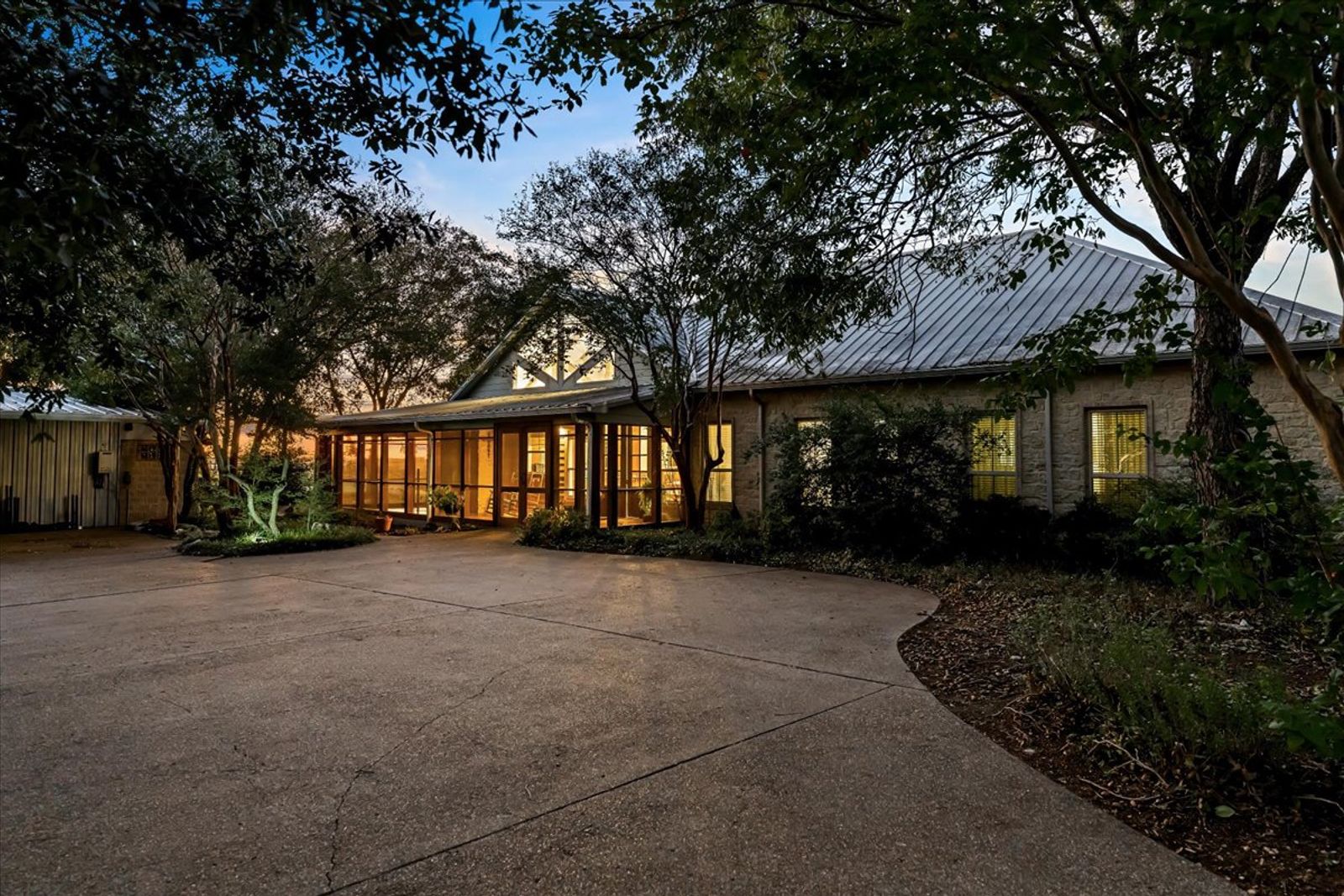
There are communities where you can spend your evenings around horses, have room for a garden or workshop, or enjoy a quiet backyard beneath mature trees while still remaining connected to the people, work, and activities that matter to you.
The balance looks different for everyone.
Some buyers will be happiest near Argyle, where the northern Metroplex remains close to everyday life. Others may prefer the small-town atmosphere and surrounding ranch country of Decatur or Bowie. Springtown may offer the right setting for someone connected to Fort Worth, while Weatherford's horse culture or Aledo's community traditions may feel especially familiar to another family.
I don't believe any one of these places is better than the others. They're simply different, and those differences are worth understanding before deciding where to call home.
When I'm helping someone explore North Texas acreage, I'm not just thinking about the house, the lot size, or how beautiful a property looks in photographs. I'm thinking about what their mornings will look like, how they'll spend their weekends, whether the commute makes sense, and how comfortable they'll feel becoming part of the surrounding community.
Sometimes the right property is exactly where someone first imagined. Other times, it takes exploring a few unfamiliar roads and discovering a town they hadn't considered.
Either way, I think the search becomes much more meaningful when you begin with the kind of life you want rather than the number of acres you think you need.
There's still plenty of country to be found around the Metroplex. The fun is discovering which little corner of it feels like home.