
Texas MarketsTexas Hill Country
Choosing Your Corner of the Texas Hill Country
From Mason's working ranch country to Fredericksburg's historic charm, the Highland Lakes, and the river communities beyond, discover the many ways to call the Texas Hill Country home.
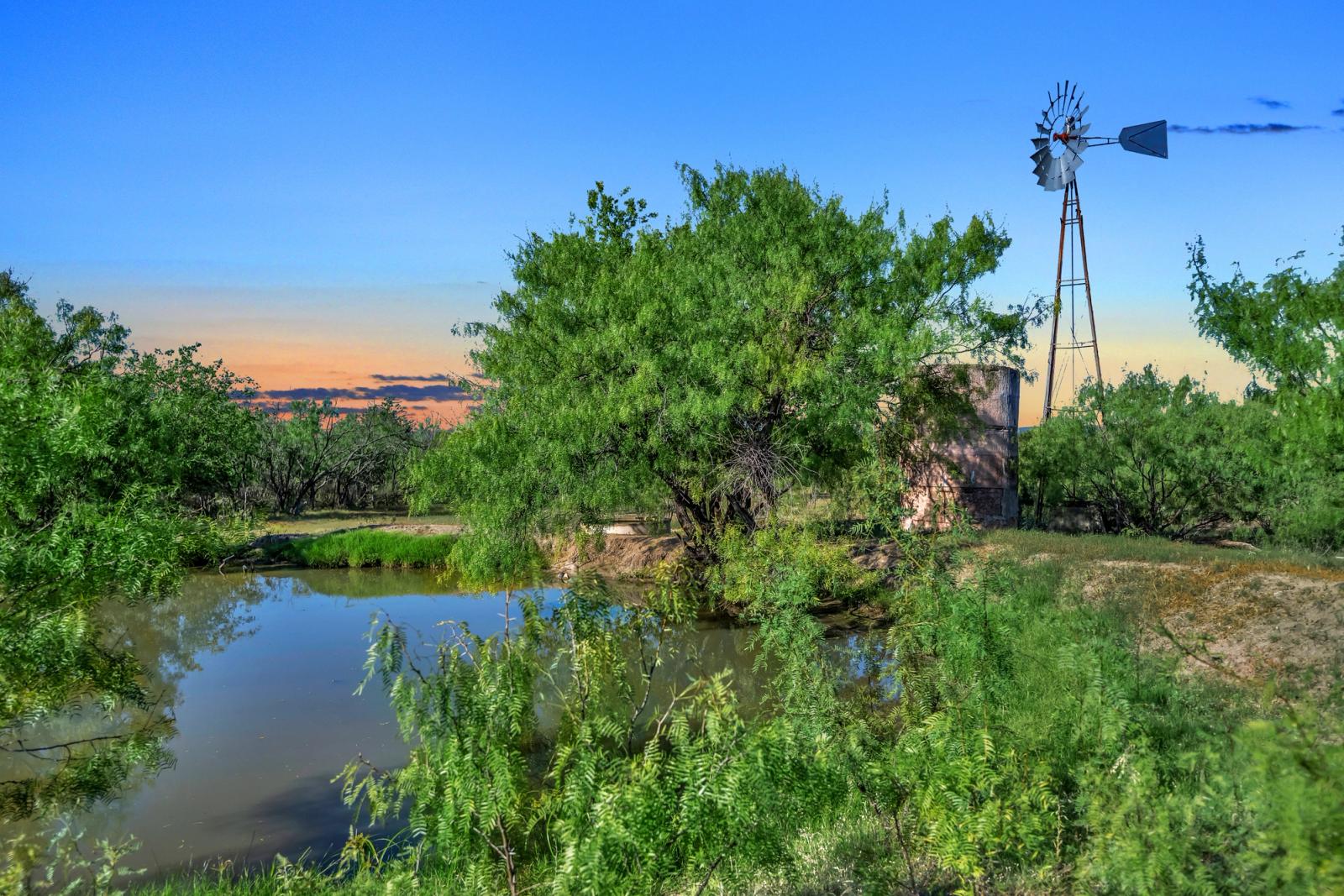
From quiet ranch country and river towns to historic main streets and thriving communities, finding your place in the Hill Country means discovering which version of Texas feels most like home.
There's a moment that happens when someone begins seriously considering a move to the Texas Hill Country. Perhaps they've spent a weekend in Fredericksburg, floated a river near New Braunfels, or driven through the countryside when the bluebonnets were blooming. Somewhere along the way, the idea of visiting becomes the possibility of staying.
I understand the attraction. There's something about the landscape, the history, and the pace of life here that stays with you long after you've gone home. You begin imagining a house beneath the oaks, a little land for the horses, evenings on the porch, and the freedom to spend more time outdoors.
What sometimes surprises people is just how much the Hill Country changes from one community to another.
The Texas Hill Country isn't a single town, a particular style of home, or one kind of landscape. It's an expansive region of river valleys, limestone ridges, granite outcroppings, working ranches, lake communities, historic settlements, and growing towns. The western and northern portions can feel wonderfully remote, while areas closer to Austin and San Antonio offer a different balance of countryside and convenience.
Even within the same county, two properties can provide entirely different experiences.
When I'm helping someone explore the Hill Country, I want to understand more than where they've enjoyed spending a weekend. I want to know what they're hoping life will feel like once the excitement of moving has settled into the comfortable familiarity of everyday routines.
Sometimes finding the right community is every bit as important as finding the right property.
Mason: A Place Where Rural Life Is Still Everyday Life
Mason is home for me, so I have a particular affection for this corner of the Hill Country. It's also a place I believe people need to understand beyond the photographs and the charm of its historic square.
Mason County has a long agricultural history, and ranching remains an important part of the community's identity. Cattle, hunting, wildlife management, family-owned land, and the ordinary responsibilities of rural life are woven into the landscape. You'll find rolling pastureland, rocky hillsides, stretches of beautiful oak country, and places along the Llano River that seem a world away from everything else.
Life here has a familiarity that I appreciate. You'll see people you know at the grocery store, hear about community happenings through conversations rather than advertisements, and discover that local traditions still matter. Rodeos, school activities, gatherings on the square, and time spent outdoors are part of the rhythm of the place.
For someone looking to own a ranch or raise a family with room to roam, Mason can be an appealing choice. There's a genuine relationship between the town and the surrounding countryside. The land isn't simply a scenic backdrop to the community; it's part of what sustains it.
The tradeoff is distance. Larger shopping centers, specialized medical services, major airports, and some everyday conveniences require more planning than they would in a larger town. Living here means becoming comfortable with those realities, along with the responsibilities that come with rural property ownership.
I think Mason is especially meaningful to people who appreciate a community where relationships grow through participation and where a quieter life isn't something created for visitors. It's simply how many of us live.
That kind of life isn't for everyone, and I don't believe it should be. Its appeal lies in being exactly what it is.
Fredericksburg: Heritage, Hospitality, and a Countryside All Its Own
Fredericksburg offers a different expression of Hill Country life.
Its German heritage, distinctive architecture, locally owned shops, galleries, restaurants, and surrounding wine country have made it one of the region's most recognizable communities. There's always something worth exploring, whether it's dinner on Main Street, a visit to a winery, a local celebration, or an afternoon spent wandering through town.
I understand why people fall in love with Fredericksburg. There's an undeniable appeal to having so much within reach while still being surrounded by beautiful Texas countryside.
For buyers considering a full-time residence, it's important to distinguish between the Fredericksburg they experience as visitors and the community they would experience as residents. The activity that makes a weekend so enjoyable also brings tourism, busy weekends, seasonal crowds, and a different pace than someone might expect from a small rural town.
That doesn't diminish its appeal. It simply changes the conversation.
The surrounding Gillespie County landscape offers tremendous variety. A home on a smaller acreage tract near town may provide convenient access to restaurants, shopping, and services while preserving some privacy. Farther into the countryside, toward places such as Harper or Doss, the experience can become considerably more rural. Properties may offer larger tracts, agricultural uses, and the quiet that some buyers are hoping to find.
A historic home near downtown, a luxury residence overlooking the hills, and a working ranch outside Fredericksburg all belong to the same general market, yet they offer distinctly different lifestyles.
For someone who enjoys dining, culture, entertaining guests, and having an active community nearby, Fredericksburg may feel like a natural fit. For someone whose priority is complete seclusion, I would want to look carefully at where the property sits in relation to tourism corridors, neighboring uses, and the town itself.
The right answer depends on which parts of Fredericksburg you want to be part of your everyday life.
Llano: River Country, Granite Hills, and a Strong Sense of Place
There is something about Llano that feels unmistakably Texas.
The Llano River runs through the heart of town, passing beneath the historic bridge and giving the community a connection to the water that is part of its identity. Beyond town, the landscape offers a combination of granite outcroppings, oak-covered hills, river bottoms, pastures, and ranchland.
Llano has its own personality. It isn't trying to be Fredericksburg, and it isn't quite Mason either. There's a practical, independent quality to the community, shaped by ranching, outdoor recreation, and a history that remains visible in its courthouse, downtown buildings, and surrounding countryside.
For someone who loves the outdoors, the broader Llano area offers plenty to appreciate. River afternoons, hunting, fishing, nearby lakes, scenic drives, and open land are all part of the appeal. Communities such as Castell offer an even quieter setting, where the landscape and the Llano River take center stage.
From a real estate perspective, I would pay particular attention to the differences between riverfront property, productive pastureland, rocky recreational acreage, and parcels closer to town. Water access, floodplain considerations, usable terrain, improvements, and the property's intended use can create substantial differences between tracts that appear similar in acreage.
Llano can appeal to buyers who want a genuine small-town community with strong ties to the land, while still having opportunities to enjoy the river and the Highland Lakes region.
The experience changes depending on which side of town you're on and how far into the countryside you're willing to go. That's part of what makes exploring this area so interesting.
Burnet and the Highland Lakes: Where the Water Changes the Conversation
As you move toward Burnet, Marble Falls, Kingsland, and the Highland Lakes, the relationship between land and water becomes an especially important part of the lifestyle conversation.
This area offers an appealing combination of historic towns, ranchland, granite country, parks, and lake communities. Lake Buchanan, Inks Lake, Lake LBJ, and Lake Marble Falls each contribute to the character of the broader region, but they don't create one uniform real estate market.
Burnet itself retains the identity of a traditional Hill Country county seat, with a historic square and access to surrounding rural property. Depending on the location, buyers may find acreage suited to a residence, recreational land, or larger tracts with agricultural potential.
Marble Falls offers a different atmosphere, with an active downtown, restaurants, shopping, and a stronger relationship to lake recreation. Kingsland and the communities around Lake LBJ introduce still another possibility: a life organized around boating, fishing, family gatherings on the water, and the particular pleasures of lakefront living.
I've always loved the way the Highland Lakes can become part of a family's traditions. Summer afternoons on the water, friends coming for the weekend, and children growing up around the lake have their own kind of appeal.
From a buying standpoint, however, a lakefront property and a nearby acreage tract require very different conversations. Shoreline conditions, water access, floodplain considerations, restrictions, utilities, and the practical realities of maintaining waterfront improvements may all influence a purchase.
A buyer who wants a boat tied up behind the house is searching for something quite different from a buyer who wants thirty acres, a few cattle, and the ability to drive to the lake when the mood strikes.
Both can find a version of Hill Country life here. Understanding which one matters most is where I would begin.
Blanco and Johnson City: Small-Town Living Between Two Larger Worlds
Blanco and Johnson City occupy an interesting part of the Hill Country because they offer distinctive small-town communities while sitting along routes that connect larger destinations.
Blanco has a wonderful sense of place, with its historic courthouse square and the Blanco River flowing through town. There is an easy appeal to spending an afternoon near the water, visiting local businesses, or enjoying the countryside beyond the city limits.
For buyers, the surrounding area can offer a combination of smaller acreage properties, rural homesites, and ranchland. The location along Highway 281 may be particularly relevant to people who want access to both Austin and San Antonio, although the actual drive from a rural property deserves careful consideration.
Johnson City has its own character, shaped by the history of the Johnson family, nearby natural attractions, galleries, and the activity along Highway 290. It offers an interesting balance between small-town identity and access to the broader Fredericksburg and Austin corridors.
The surrounding countryside includes rolling hills, pastures, creek valleys, and scenic rural roads. Buyers looking for acreage may find the area attractive because they can enjoy a country setting without necessarily being as far removed from major destinations as they would be in the western Hill Country.
Of course, that accessibility can also influence development patterns, traffic, and neighboring land uses. A property tucked away on a quiet road can feel very different from one near a busy highway or commercial corridor.
I would encourage buyers considering either community to spend time away from the main roads and tourist stops. Drive through the surrounding countryside, visit during the week, and notice what feels different once the weekend visitors have gone home.
Sometimes a community's quieter, ordinary moments tell you more about living there than its busiest Saturday ever could.
Boerne: Hill Country Character With a Connection to San Antonio
Boerne offers a particularly interesting balance for buyers who love the Hill Country landscape but don't want to be too far removed from the conveniences of a larger city.
Its historic downtown, often called the Hill Country Mile, has a lovely collection of shops, restaurants, and local businesses. Cibolo Creek, established neighborhoods, and the surrounding Kendall County countryside contribute to a community that has retained visible connections to its history while continuing to grow.
Proximity to San Antonio is a meaningful part of Boerne's appeal. For someone who needs regular access to specialized healthcare, an airport, larger shopping centers, or employment in the metropolitan area, that connection may be an important consideration.
Growth also changes the real estate conversation.
Buyers will encounter a range of properties, from established homes and newer neighborhoods to luxury residences and acreage outside town. As you move into the surrounding countryside, the landscape becomes more rural, but the type of property, applicable restrictions, neighboring development, and access to infrastructure can vary substantially.
The experience of owning a few acres in a planned community is different from maintaining an unrestricted rural tract, even if both properties offer beautiful views and mature trees.
Boerne can be particularly appealing to buyers who want access to a lively town and metropolitan amenities while still feeling connected to the countryside. For someone who wants to be much farther away from development and daily activity, we may need to explore other areas or look farther beyond town.
Neither preference is more authentic. They simply reflect different priorities.
Nearby Comfort deserves consideration as well. Its historic village, older architecture, and surrounding ranch country offer another expression of Kendall County life, one that can feel more intimate and rural while still benefiting from access to the Interstate 10 corridor.
Wimberley: A Different Kind of Hill Country Rhythm
Wimberley has a personality that is difficult to mistake.
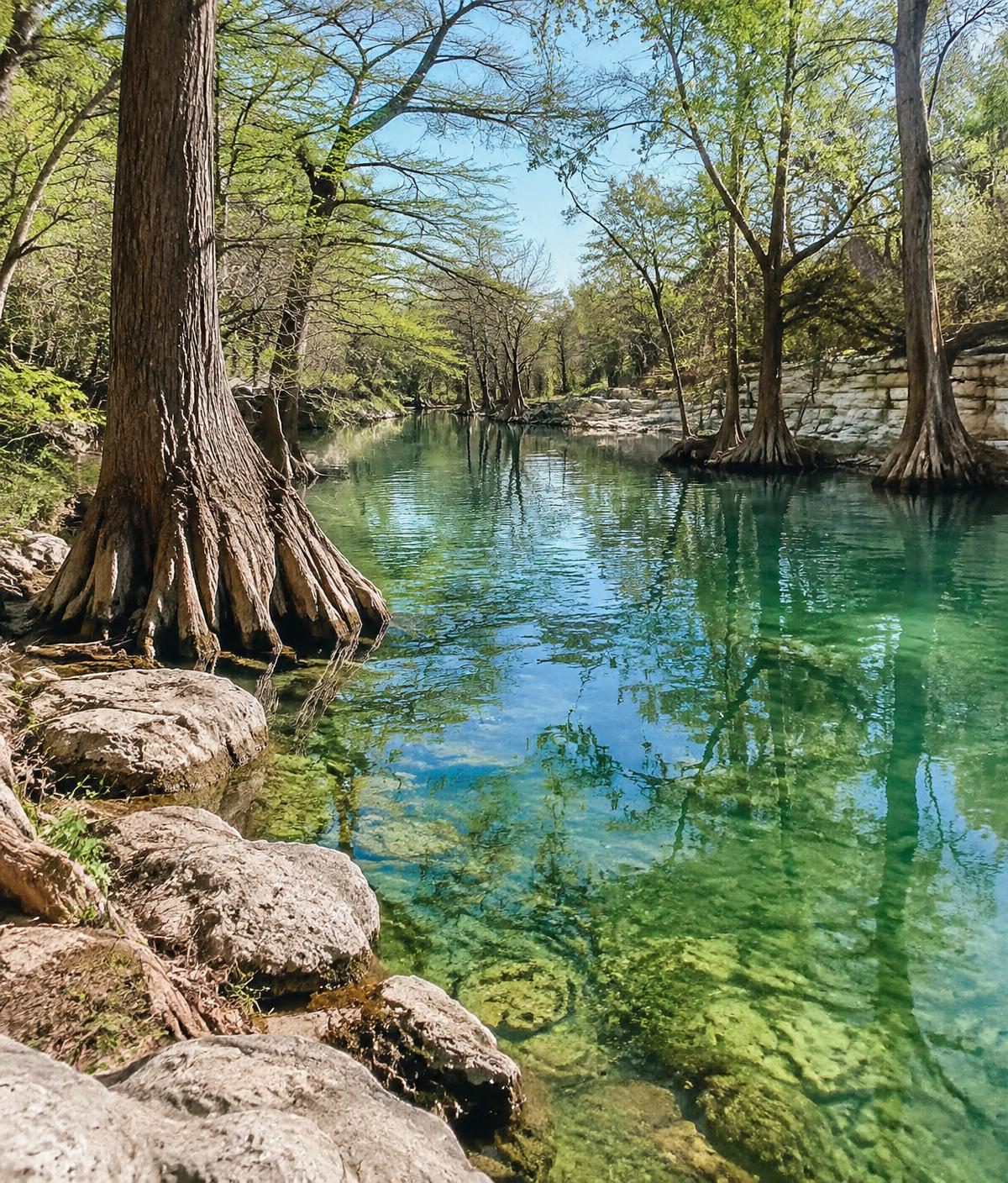
The Blanco River, Cypress Creek, swimming holes, galleries, markets, and winding roads all contribute to a community with a strong connection to nature and the arts. Its landscape can feel particularly lush in places, with cypress-lined waterways, wooded hillsides, and homes tucked into the contours of the land.
It's easy to understand the appeal for someone who enjoys a creative atmosphere, time outdoors, and the feeling of living in a small community with a recognizable identity.
Wimberley also illustrates why I encourage buyers to consider the everyday realities behind a beautiful setting.
Narrower roads, visitor activity, river access, steep terrain, and the relationship between a homesite and surrounding drainage can all affect the experience of living here. A property advertised as being near the river doesn't necessarily convey legal access to the water, and an appealing creekside setting deserves careful investigation of floodplain conditions and property-specific risks.
Buyers should also understand the distinctions between a home in or near the village, a property in an established residential neighborhood, and a rural tract farther into the hills.
For someone who loves art, independent businesses, and spending time near the water, Wimberley may offer a lifestyle that feels deeply personal. Others may find that they prefer a more traditional ranching community or a place with easier highway access.
Those differences aren't always obvious until you begin exploring what ordinary life would look like there.
Gruene and New Braunfels: Hill Country Traditions With More Activity Close By
There's a reason people love spending time in Gruene. The historic district, old buildings, live music, and the unmistakable character of Gruene Hall create an atmosphere that feels wonderfully connected to Texas tradition.
Gruene is part of New Braunfels, and that distinction matters when considering the lifestyle of the surrounding area.
New Braunfels offers access to the Guadalupe and Comal rivers, established neighborhoods, dining, shopping, healthcare, and the conveniences of a growing city. Its location along the Interstate 35 corridor also creates connections to both San Antonio and Austin.
For someone who loves the river and wants an active community with plenty to do, the area offers an appealing combination of recreation and everyday conveniences.
A buyer considering property here might be searching for a historic home, a residence near the rivers, acreage on the outskirts of town, or a place within reach of Canyon Lake and the surrounding countryside.
Each of those choices comes with different considerations. Traffic, visitor activity, development, property restrictions, floodplain conditions, and the availability of truly rural surroundings can influence how a property functions.
I love that the Hill Country includes places where you can spend an evening listening to live music in a historic dance hall and still be home in time to enjoy the quiet of your own property.
For some buyers, that balance is exactly what they've been looking for. Others discover that they would rather drive into town for those experiences occasionally and spend the rest of their time somewhere more remote.
Both are wonderful ways to enjoy this part of Texas.
The Places Between the Places
One of the mistakes I think buyers can make is limiting their search to the best-known towns.
Some of the most interesting possibilities are found in the smaller communities and rural areas between them.
Harper, Stonewall, Doss, Hye, Castell, Comfort, Kingsland, and the countryside surrounding the region's larger towns all offer their own combinations of landscape, history, accessibility, and local character.
A buyer drawn to Fredericksburg's dining and culture may discover that living farther into Gillespie County provides the privacy they want while keeping those experiences within reach. Someone who enjoys Llano might prefer a quieter property closer to Castell. Another buyer could find that acreage outside Blanco or Johnson City creates a comfortable balance between rural living and access to family or work.
These aren't interchangeable alternatives. Each location deserves to be considered on its own terms, and even neighboring properties may differ significantly in water availability, access, topography, restrictions, and suitable uses.
I like exploring these areas with buyers because it often broadens their understanding of what is possible. The name of a town may be what first draws someone to the Hill Country, but the property that ultimately feels like home may be somewhere they hadn't thought to look.
Visit for the Weekend. Think About the Tuesday.
I often think that one of the most useful things a buyer can do before choosing a community is imagine being there on an ordinary Tuesday.
The festivals are over. The weekend visitors have gone home. You're not on vacation, and there's no particular reason to dress up for dinner or head out on a scenic drive.
You need to pick up groceries, get to an appointment, meet someone for lunch, or take care of whatever responsibilities are waiting at home. Perhaps you have children whose schedules will become part of your own, livestock that need attention, or a job that requires a reliable connection to the outside world.
What does that day look like?
Do you want to run into familiar faces around a small-town square? Would you enjoy having a favorite restaurant, a farmers market, and a few galleries nearby? Is access to the lake important enough that you'd like to build your life around it? Do you want to be close to San Antonio or Austin, or does the idea of being an hour from most things sound perfectly wonderful?
There's also the land itself to consider. Some buyers want a manageable few acres with beautiful trees and room for a garden. Others want enough pasture to support livestock or a ranch where hunting, wildlife management, and land stewardship become part of everyday life.
The more clearly we understand those preferences, the more thoughtfully we can explore the region.
A property can be beautiful and still belong to a lifestyle that doesn't quite fit. The opposite is also true. Sometimes a place that wasn't initially on someone's list becomes exactly what they've been searching for once they understand the community and what life there might look like.
Finding the Place That Feels Like Yours
I've never believed there's one perfect corner of the Texas Hill Country.
I love the ranching traditions and familiar rhythms of Mason. I appreciate the history and hospitality of Fredericksburg, the river country around Llano, the lakes, the little towns, and the countless backroads that connect them. There are wonderful things to discover in every direction, and the variety is part of what makes this region such a remarkable place to call home.
The right community isn't necessarily the most recognizable, the most convenient, or the one that looked best during a weekend visit.
It's the place where the surrounding landscape, everyday routines, local character, and opportunities available to you fit together in a way that feels comfortable.
For one family, that may be a house near town, where school events, community gatherings, and familiar faces become part of everyday life. For another, it may be a quiet ranch miles beyond the pavement, where the work of caring for the land is as meaningful as the peace it provides.
Someone else may find their place beside a river, near a lake, or in a community where there's always something interesting happening just down the road.
I think it's worth taking the time to discover which of those lives you're actually hoping to live.
Because choosing your corner of the Hill Country isn't simply a matter of finding a property you can afford in a town you recognize. It's about understanding where you belong, what you value, and how you want to spend the days that make up your life.
The Hill Country has many different ways of feeling like home. The pleasure is in discovering which one feels like yours.