
Selling Texas PropertyTexas Hill CountryNorth TexasHoustonSoutheast TexasWest Texas
When You're Not Quite Ready to Sell the Ranch
Selling a family ranch isn't always a decision made overnight. Stephanie Wilbanks reflects on legacy, understanding property value, and why the right time to sell is a deeply personal choice.
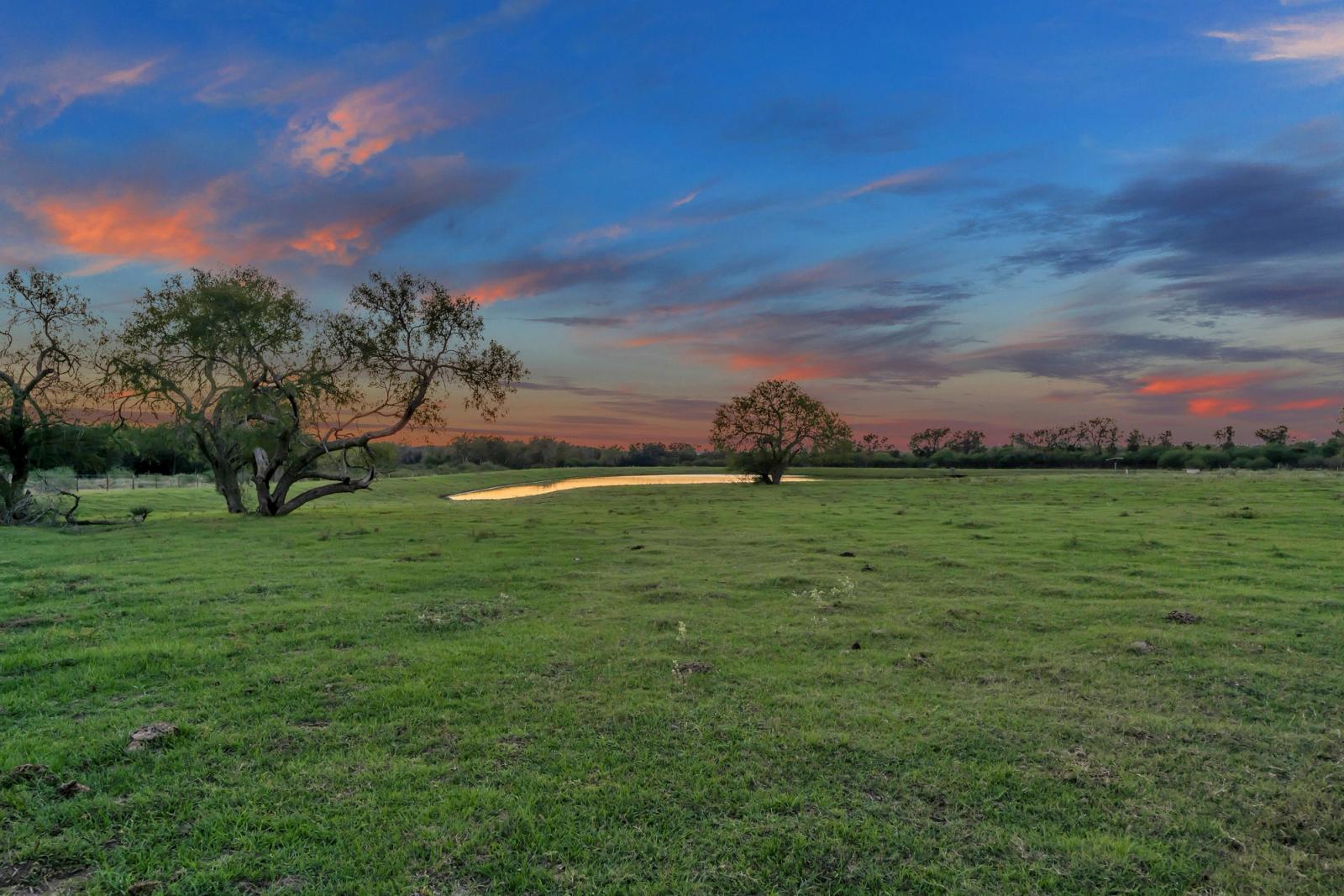
On knowing what your land is worth, honoring what it means, and giving yourself permission to make a decision in your own time.
The first conversation about selling a ranch often has very little to do with putting it on the market.
Sometimes it begins with a simple question about value. A landowner has heard what a neighboring ranch sold for, noticed changes in the market, or started wondering whether the property might be worth more than they realized. Other times, the conversation begins because life is changing. The children have grown, the work of maintaining the ranch has become more demanding, or the next generation has different ideas about what the future should look like.
There may be a genuine interest in selling, but there's often just as much uncertainty. A ranch can represent a substantial financial asset while also holding generations of family history, years of hard work, and a sense of belonging that's difficult to explain to someone who hasn't experienced it.
I've learned that those two realities can exist comfortably alongside each other. An owner can recognize that selling might be a wise financial decision and still have no desire to make that decision today.
I think that's worth respecting.
Some Conversations Take a Few Years
I've had a conversation about selling a ranch stretch across three to four years. That may seem like an unusually long time in a business where so much attention is given to listings, contracts, and closing dates, but I've never believed that a conversation needs to produce an immediate transaction to be worthwhile.
A landowner's circumstances can evolve considerably over three years. What begins as curiosity about value may eventually become a more serious discussion about the future. Family needs change, financial priorities shift, and ideas that once seemed distant begin to feel more practical. Sometimes the desire to keep the property remains just as strong as it was during the first conversation.
I don't view that passage of time as an obstacle. It's part of the process.
There's a difference between helping someone evaluate a possibility and trying to persuade them to act on it. I can provide market information, explain what a sale might involve, and help an owner understand the opportunities available without expecting them to make a commitment.
Some of the most meaningful conversations I have with landowners happen well before they're prepared to do anything at all. Those conversations give us an opportunity to understand the ranch, the family's relationship with it, and the considerations that may eventually influence a decision.
When the time comes to revisit the subject, we aren't beginning with a stranger and a property description. We're continuing a relationship built through honest conversations and a shared understanding of what matters.
I would much rather be someone a landowner feels comfortable calling for three years than someone they hesitate to contact because they aren't ready to sell.
The Value of a Ranch Isn't Always the Hardest Part to Understand
Determining what a ranch might bring in the current Texas land market is an important part of my work. It's also a question that deserves considerably more thought than multiplying the acreage by an average price.
Location, water resources, improvements, access, terrain, agricultural and recreational uses, and surrounding property sales all influence value. A well-maintained working ranch may appeal to a different buyer than a recreational property with excellent wildlife habitat or a smaller tract positioned for a future homesite.
When an owner asks what their ranch is worth, I want to understand the property well enough to give them a thoughtful assessment. That means looking at relevant sales, studying the competition, considering the property's distinctive characteristics, and evaluating how buyers are responding to comparable opportunities.
The resulting market analysis gives us a place to begin. It doesn't require us to go any further.
Sometimes knowing the current value is enough. An owner may want that information for estate planning, conversations with family, financial decisions, or simply to have a clearer understanding of an asset they've owned for years. There may be no intention to sell in the foreseeable future, and that's perfectly reasonable.
It's also important to recognize that a ranch's market value and its personal value are two different things.
A buyer may appreciate the quality of the fencing, the improvements, the availability of water, and the property's recreational potential. The family selling it likely remembers the year they finally paid it off, the cattle they raised through difficult seasons, and the people who gathered there every Thanksgiving.
The market can help us establish what a property may be worth to a buyer. It cannot assign a dollar amount to every experience that made the ranch important to its owners.
Understanding that distinction is essential to representing a family well.
Sometimes the Entire Family Needs Time
Ranch ownership can become especially complicated when a property has been in the same family for generations.
One person may be responsible for the day-to-day work of maintaining the land, while another lives several hours away and visits only occasionally. Some family members may have strong emotional ties to the property but little interest in operating it. Others may see the ranch primarily as a financial asset that could provide opportunities for the next generation.
These perspectives aren't necessarily incompatible, but they can make decisions about the future more complicated.
A parent may want to preserve the ranch for children who have established lives elsewhere. Adult children may hesitate to admit that they don't intend to return. Someone who has spent decades managing the property may recognize the practical reasons for selling while struggling with the thought of giving up a place that has shaped so much of their identity.
There's often a great deal left unsaid in these conversations.
I don't believe my role is to decide which family member has the better argument or to convince everyone that selling is the right answer. My responsibility is to provide useful real estate information, listen carefully, and help the people involved understand their options.
There are also situations where an estate-planning attorney, accountant, or other professional needs to be part of the conversation. Questions involving inheritance, ownership interests, taxes, or long-term family arrangements deserve advice from people qualified to address them.
A property sale may ultimately make sense. Keeping the ranch may be equally reasonable. Sometimes a family needs to explore possibilities that lie somewhere between those choices.
What matters is allowing enough room for those discussions to happen thoughtfully rather than treating hesitation as a problem that needs to be overcome.
Exploring a Sale Doesn't Mean You've Decided to Sell
I wish more landowners understood that they can begin the conversation without knowing how it will end.
You can ask what your ranch is worth without agreeing to list it. You can learn about the current market without committing to a timeline. You can discuss how a property might be marketed, who the likely buyers would be, and what preparation might be necessary while still deciding that you would rather keep it.
Those conversations aren't wasted simply because they don't lead to a listing.
In fact, I think they often allow for better decisions.
When a landowner has time to understand the market, there is less need to respond to every change in pricing or buyer activity with a sense of urgency. We can discuss what the property offers, where it stands in relation to competing ranches, and what circumstances might make selling attractive.
We can also be candid about the challenges. There may be improvements that won't contribute as much to market value as the owner expects, deferred maintenance that deserves attention, or title and survey questions that should be addressed before a future sale.
Occasionally, the most useful conversation is about what an owner could do with the ranch if they decide not to sell. A family might want to reconsider how the property is managed, explore different uses, or seek professional guidance about long-term ownership arrangements.
Understanding your options gives you the freedom to choose among them.
That is very different from making a decision because someone has persuaded you that now is your only opportunity.
The Advantage of Preparing Before You Have To
For owners who believe they may eventually sell, there's tremendous value in beginning the preparation process before a deadline forces the issue.
Selling a Texas ranch can involve considerably more than preparing a home for photographs and scheduling showings. Surveys, access agreements, water-well records, mineral interests, agricultural leases, property improvements, and various ownership documents may all become important during a transaction.
Some of those records are easy to locate. Others require time, research, or assistance from qualified professionals.
When an owner isn't working toward an immediate listing date, we have the opportunity to address these matters thoughtfully. We can review the information available about the property, identify missing documentation, and consider which improvements or maintenance items may be worthwhile.
I also like to spend time learning about the ranch itself.
How has it been used over the years? What improvements have been made? Are there water features, agricultural capabilities, wildlife characteristics, or aspects of the property that aren't immediately obvious? What makes this particular ranch different from others a buyer might consider?
Those details contribute to a more complete understanding of the property and can eventually shape how we present it to the market.
Preparation doesn't always mean spending money. Sometimes it means gathering information, organizing records, understanding potential concerns, or simply giving a family time to decide how they want to proceed.
A thoughtful plan can be developed gradually, adjusted as circumstances change, and put into motion when the owner is ready.
I prefer that approach to asking someone to make a lifetime decision and then rushing to accomplish everything that follows.
There Is No Shame in Deciding to Stay
Real estate is a business, and naturally, much of the conversation surrounding it focuses on transactions. We talk about market conditions, buyer demand, pricing strategies, and successful sales. Those subjects matter, and I take the professional responsibilities associated with them seriously.
Still, I don't believe every conversation about real estate needs to end at the closing table.
There are perfectly good reasons to keep a ranch.
Maybe the income it produces remains important. Perhaps the family still gathers there regularly, and no one is ready to imagine holidays somewhere else. The work of maintaining the property might still bring the owner more satisfaction than frustration. There may be plans for the next generation that haven't yet taken shape.
Sometimes the reason is less practical and more personal. Someone simply isn't ready to close that chapter.
I understand that, too.
My own appreciation for land was shaped long before I entered real estate. I grew up on a farm in South Carolina, surrounded by national forest, with the kind of freedom and open space that becomes part of your understanding of home. After my grandfather passed away, that farm was sold. I know what it's like for a place that once seemed permanent to become something you can only revisit in memory.
That experience has stayed with me.
It doesn't mean I think families should hold onto property indefinitely, regardless of their circumstances. There are times when selling brings financial freedom, relieves responsibilities that have become burdensome, or allows a family to move into a new season of life.
I simply recognize that the decision can carry a weight that isn't reflected in the purchase price.
Sometimes an owner needs another year. Sometimes they need to have a conversation with their children. Sometimes they need the reassurance of knowing what their options are before they can begin thinking seriously about what comes next.
There's nothing wrong with any of that.
When the Time Is Right, You'll Know What Comes Next
I don't think a ranch owner should have to arrive at our first conversation with a decision already made.
We can begin with questions. We can talk about value, possibilities, concerns, and the realities of the current market. We can explore what a sale might accomplish and what keeping the property might mean for the years ahead.
If selling eventually becomes the right decision, I want us to approach it with the preparation, strategy, and care the property deserves. I want the ranch represented thoughtfully, its value supported by sound market analysis, and the transaction handled with respect for the people whose lives have been connected to it.
Until then, I'm comfortable letting the conversation be exactly what it needs to be.
Three months, three years, or perhaps no sale at all.
A landowner doesn't owe me a listing simply because we've discussed the possibility. My responsibility is to offer sound guidance when it's needed and respect the decision that follows.
After all, parting with a ranch is rarely just a matter of deciding what it's worth. Sometimes the harder question is whether you're ready for the life that comes after it.
And that is a decision no one else should make for you.