
Selling Texas PropertyNorth Texas
Selling Acreage Near DFW Is Different From Selling a House in the Suburbs
Selling acreage near Dallas-Fort Worth requires a different approach. Paris Wilbanks explains why fencing, barns, utilities, land improvements, and thoughtful pricing matter just as much as the home itself.
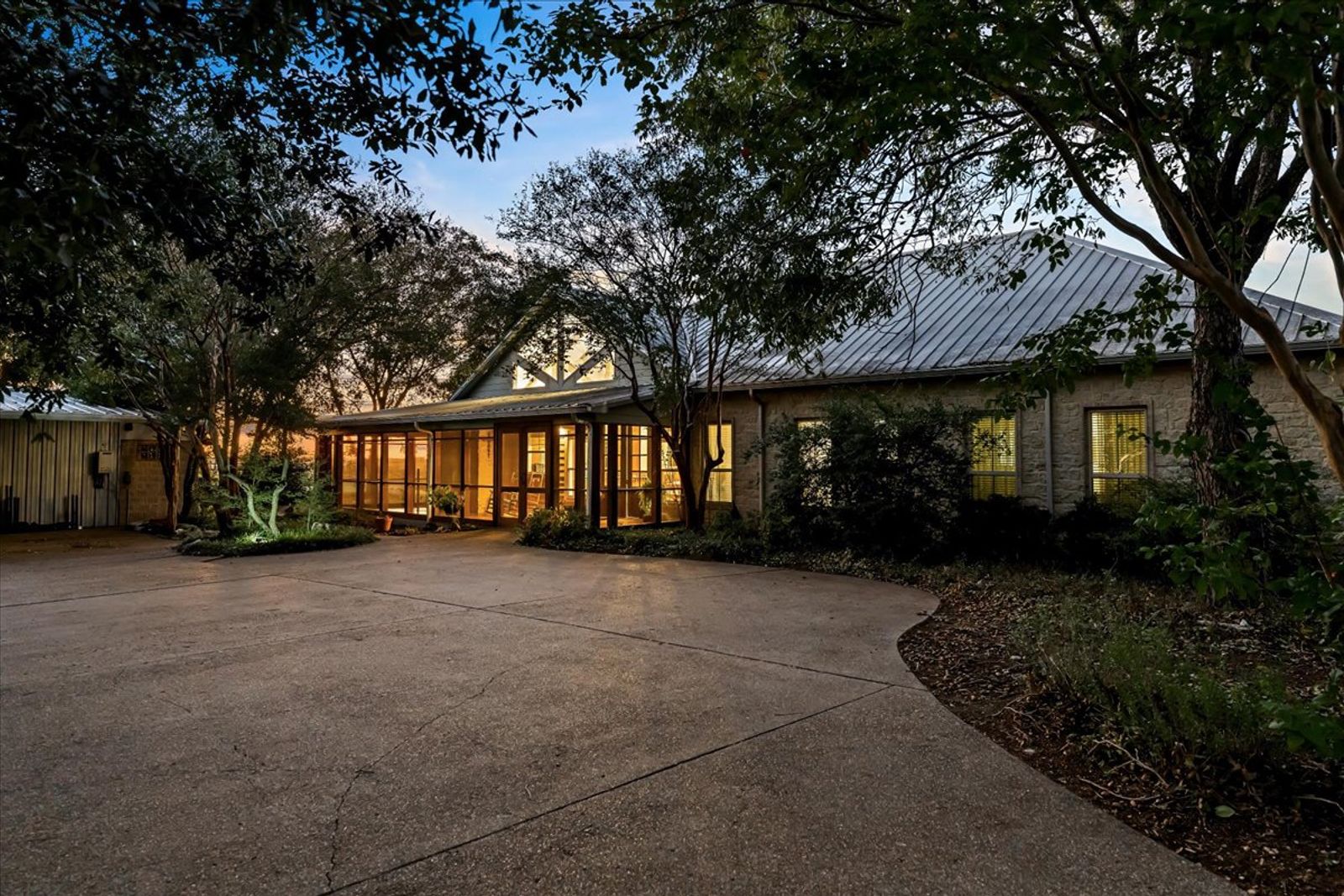
When a home comes with acreage, buyers aren't simply considering the house. They're evaluating the land, the improvements, and the possibilities that come with owning both.
There's a noticeable difference between showing someone a home in a North Texas neighborhood and walking them through a property with several acres. In a subdivision, the conversation usually begins with the house itself. Buyers notice the kitchen, the bedrooms, the bathrooms, the backyard, and how well everything has been maintained. They're imagining furniture arrangements, family gatherings, and what their everyday routines might look like in a new home.
Those things still matter when someone is buying acreage. The difference is that the conversation extends well beyond the walls of the house.
A buyer might love the kitchen and still spend much of the showing studying the fencing. They may be just as interested in the barn as they are in the primary bedroom. Instead of asking only about the age of the roof or the condition of the appliances, they're wondering whether there's enough water for livestock, if a trailer can comfortably navigate the driveway, or whether the land will accommodate a workshop they've been planning for years.
When selling acreage near Dallas-Fort Worth, understanding those priorities changes how I approach almost every part of the listing, from evaluating the property's value to deciding what deserves attention in the photography and marketing.
We're still selling a home, in many cases. We're also selling land, improvements, and the opportunity for a buyer to live differently than they could in a traditional neighborhood.
Acreage Buyers See More Than the House
One of the things I enjoy about working with acreage properties is how differently buyers can respond to the same piece of land.
A family hoping to give their children more room to play may be drawn to the open yard, established trees, and distance between neighboring houses. Someone who has dreamed of keeping horses will probably look much more closely at the fencing, pasture layout, shelter, and water availability. A buyer who wants a workshop may spend half the showing studying an existing building or figuring out where a future one could go.
They're all looking at the same property, but they're evaluating it through the lens of their own plans.
That's why I don't believe acreage should be marketed like a suburban home with a larger lot. The house is an important part of the story, but it isn't necessarily the only reason someone will want to purchase the property.
When preparing an acreage listing, I want to understand what the land is actually capable of supporting. Is most of it usable pasture? Are there wooded areas that provide privacy? Is the property set up for animals, or would someone need to make significant improvements before bringing livestock onto it? Are there existing outbuildings, established utilities, or features that make the property especially convenient for a particular use?
A five-acre property with a well-positioned home, usable pasture, and functional improvements can be particularly appealing to someone looking for a manageable transition into country living. A larger tract may offer more flexibility, although that depends on its layout, condition, restrictions, and infrastructure.
Neither is automatically the better property.
What matters is understanding who the likely buyer might be and what they will recognize as valuable.
The Improvements You've Made Deserve to Be Understood
Something I think sellers occasionally overlook is the amount of work they've put into making their property functional over the years.
Maybe you've replaced miles of deteriorating fencing, established cross-fenced pastures, improved drainage, cleared areas that were previously overgrown, or built a shop that has become an essential part of everyday life. Perhaps you've added livestock shelters, improved gates, installed water lines, or spent years developing a practical setup for horses.
When you live with those improvements every day, they can begin to feel ordinary. To a buyer searching for that particular lifestyle, they may be some of the most interesting features of the property.
Good fencing, for example, is more than a boundary. Depending on its design and condition, it can influence how livestock are managed, how different areas of the property are used, and what work a new owner may need to complete after closing.
A barn isn't simply another building. Its size, condition, layout, access, and available utilities determine whether it will suit the next owner's plans. A shop with electricity, appropriate access, and room for equipment may be particularly useful to someone who has spent years wishing they had a place to work on projects at home.
I want to understand those details before deciding how to present a listing.
That doesn't mean every improvement contributes its full construction cost to the property's market value. Buyers don't necessarily place the same value on an improvement that the owner does, particularly when it was designed for a highly specific purpose.
The goal is to recognize the improvements that distinguish the property, understand their condition and usefulness, and make sure those features are communicated clearly to buyers who may appreciate them.
Sometimes the things a seller has stopped noticing are the very things a buyer has been hoping to find.
The Land Itself Has a Condition, Too
We spend a great deal of time talking about the condition of a home before putting it on the market. Fresh paint, necessary repairs, landscaping, and general maintenance are all familiar parts of preparing a residential listing.
Acreage deserves that same level of attention, although the priorities may look different.
When a buyer drives through the gate, they're beginning to form an impression of the property long before they reach the front door. They're noticing the condition of the driveway, whether the entrance feels welcoming, how the pastures have been maintained, and what the fencing and outbuildings look like.
They may also be looking for signs of drainage problems, erosion, damaged gates, standing water, or improvements that appear to have been neglected.
I don't expect every acre to look manicured. In fact, a working ranch or recreational property shouldn't necessarily look like an oversized suburban lawn. Native vegetation, wildlife habitat, wooded areas, and productive pastureland each have their own value.
What I want is for the property to present as cared for and for its intended uses to be understandable.
Sometimes preparing acreage for sale means mowing around the entrance and home, repairing a gate, clearing an overgrown path, or organizing the equipment around a barn. Other times, it involves addressing deferred maintenance, removing unnecessary debris, or making sure buyers can reasonably access the areas we want them to see.
The goal isn't to erase the character of the land. It's to help buyers understand its condition and recognize the possibilities it offers.
A property that has been thoughtfully maintained can create confidence. One that feels difficult to navigate or understand may leave buyers wondering what else they're going to discover.
Access, Utilities, and Restrictions Matter More Than You Might Expect
One of the biggest differences between selling a home in a traditional neighborhood and selling acreage is the amount of attention buyers may give to the property's infrastructure and legal characteristics.
In a subdivision, many buyers are accustomed to established public roads, familiar utility connections, and relatively predictable services. Rural and semi-rural properties can require a much closer look.
Water is a good example. Does the property receive service from a municipal or rural water provider, or does it rely on a private well? Is water available where livestock are kept? What equipment and storage systems are in place, and what is known about their condition?
Septic systems, electric service, internet availability, and utility connections to barns or shops can also affect how buyers evaluate a property. An outbuilding that already has suitable electrical service may be more useful to a prospective buyer than one that would require significant additional work.
Access deserves similar consideration. A long driveway may be beautiful, but a buyer with horses, livestock trailers, or larger equipment will likely want to understand whether the entrance, gates, turning areas, and roads can accommodate their needs.
Then there are the details that aren't always visible during a showing.
Easements, property boundaries, deed restrictions, and existing agreements may influence what a new owner can do with the land. Mineral ownership and existing mineral leases may also warrant investigation, particularly when questions about surface use or the interests being conveyed arise.
A buyer hoping to build another residence, operate a business, keep livestock, or add substantial improvements needs to understand whether those plans are permitted.
I don't want sellers to feel that every one of these subjects is a problem waiting to happen. Many acreage properties have perfectly workable arrangements that buyers simply need to understand.
What matters is being prepared to answer questions accurately and knowing when title professionals, surveyors, attorneys, utility providers, or other qualified specialists need to help clarify the information.
The more thoughtfully we prepare, the easier it becomes for buyers to evaluate what they're purchasing.
Pricing Acreage Requires a Different Kind of Comparison
Pricing is another area where acreage sellers benefit from a more detailed conversation.
With a traditional suburban home, comparable sales may be relatively straightforward to identify. There may be several homes in the same neighborhood with similar floor plans, lot sizes, construction styles, and amenities.
Acreage properties are rarely that uniform.
Two homes near the same North Texas community may have comparable square footage and similar acreage while offering entirely different levels of usefulness and appeal.
One property may include established fencing, a functional barn, reliable water infrastructure, and several acres of accessible pasture. Another may have steeper terrain, limited improvements, restrictive covenants, or a layout that makes additional construction difficult.
Their acreage counts might be similar, but that doesn't mean buyers will value them the same way.
Location also makes a significant difference. A property with convenient access to a major employment corridor may appeal to buyers who want land without an excessive commute. A more remote tract may attract someone whose priorities center on privacy, recreation, or agricultural use.
Even within the broader Dallas-Fort Worth acreage market, buyer expectations can vary considerably between communities. The appeal of an equestrian property near Aubrey or Pilot Point may differ from that of a residential acreage property near Weatherford or a rural homesite elsewhere in the region.
Those distinctions affect which properties are relevant comparisons.
I also want sellers to understand that improvements should be considered carefully. Spending a substantial amount on a barn, shop, fencing, or site work doesn't automatically mean the market will return that investment dollar for dollar.
The improvement may still contribute real value, especially to the right buyer. Our responsibility is to evaluate that contribution in the context of comparable sales, current competition, property condition, and actual market demand.
Ten acres aren't automatically worth more than eight. The usefulness of those acres, the location, and everything that comes with them can make all the difference.
A thoughtful pricing strategy needs to reflect the entire property rather than relying on a simple average price per acre or the value of the house alone.
Agricultural Valuation Is Worth Understanding Before Listing
Property taxes can become another important part of the acreage conversation.
Some North Texas properties receive agricultural or wildlife-management special appraisal, which may affect how the land is valued for property tax purposes. Sellers sometimes refer to this as an agricultural exemption, although it is more accurately described as special appraisal based on qualifying use.
For a prospective buyer, the property's current status may be meaningful, but it doesn't automatically establish that the same treatment will continue under new ownership or a different use.
When preparing a listing, I want to understand how the property is currently appraised, what qualifying uses have been maintained, and whether there are records that may help a buyer evaluate the situation.
It's also important to avoid promising that a particular tax treatment will continue or that a buyer can qualify simply by purchasing a certain number of acres.
The county appraisal district and qualified tax professionals can help clarify eligibility, application requirements, and potential consequences when land use changes.
This may not be the most exciting part of selling acreage, but clear information about ownership costs can make an important difference to a buyer trying to understand the property's long-term financial responsibilities.
Marketing the Property Means Showing What Life There Could Look Like
I believe professional photography is important for every listing, but acreage creates opportunities to tell a more complete story.
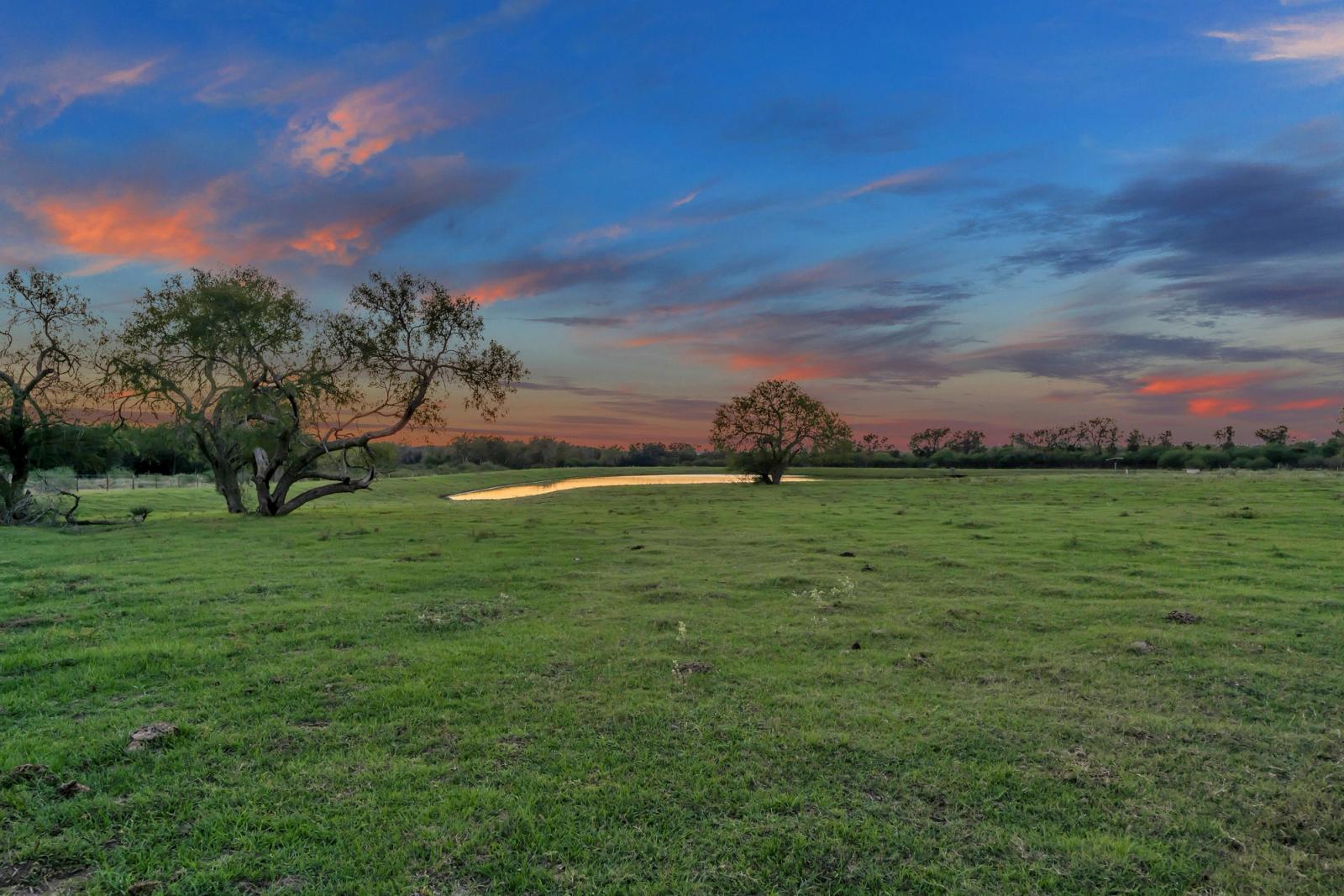
A beautiful photograph of the house may attract someone's attention. Additional images of the pasture, fencing, barns, shops, water features, and surrounding landscape help them understand what they're actually considering.
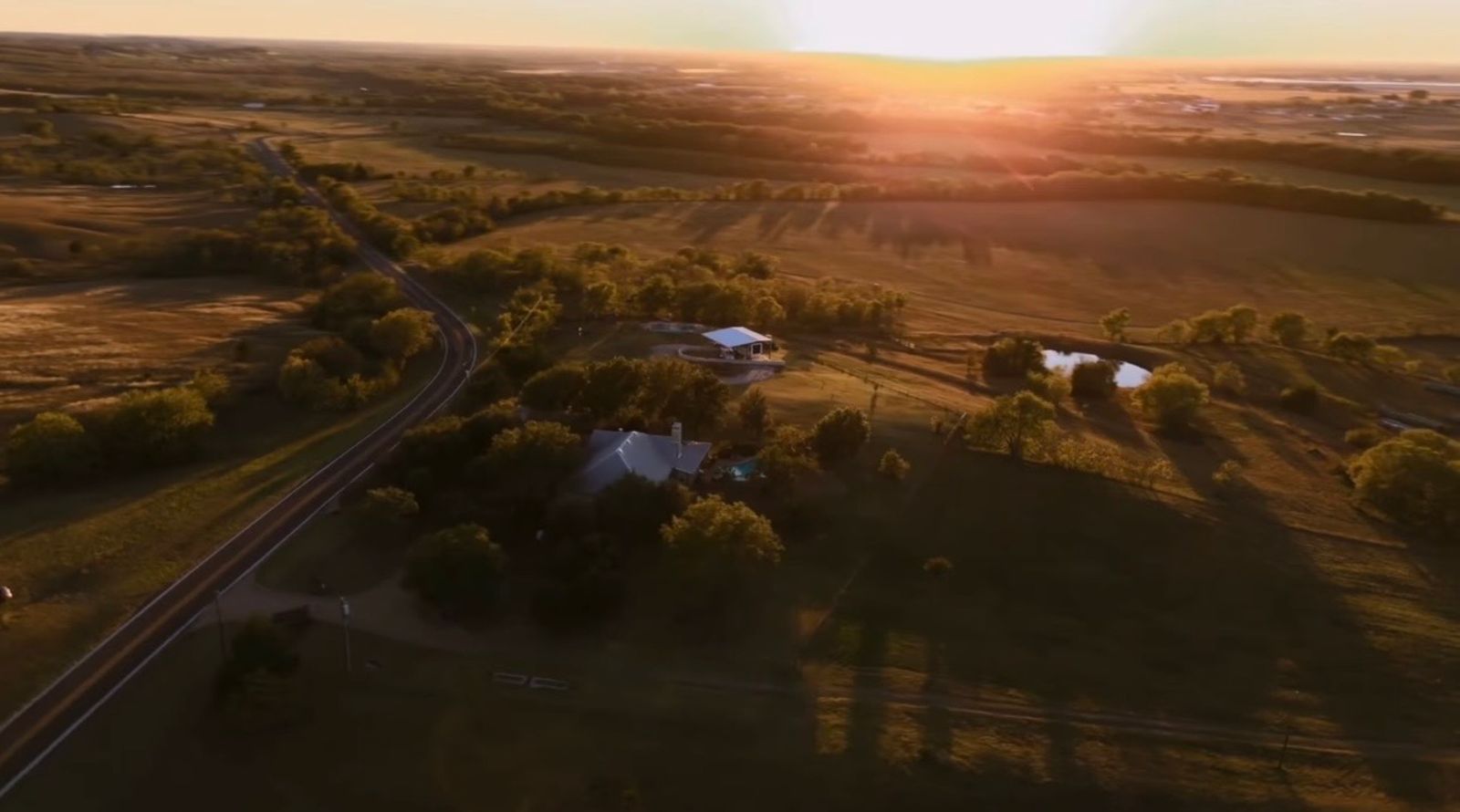
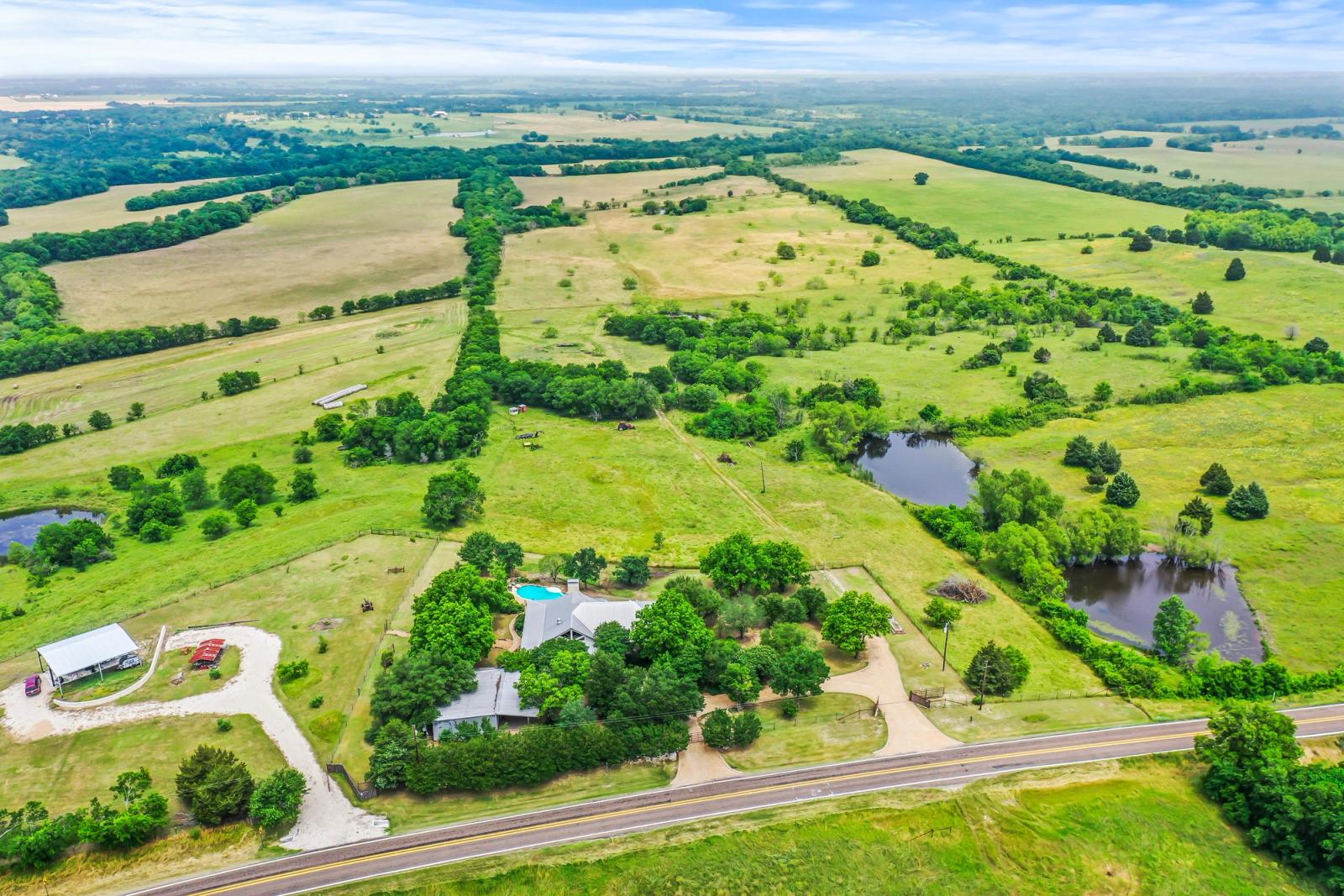
Aerial photography can be especially useful because it shows the relationship between the home, land, and improvements in a way that traditional photographs often cannot.
I want buyers to see how the property is arranged. Where does the driveway enter? How do the pastures relate to the house? Is the barn conveniently located? Are there wooded areas that provide privacy? What makes this property different from another acreage home down the road?
Video can help communicate the experience of moving through the property, while accurate descriptions and organized property information provide the details buyers need to evaluate it.
The marketing should reflect the property's genuine strengths rather than trying to make every acreage listing appeal to everyone.
A property suited to horse owners deserves a different emphasis from one designed around a large workshop, a quiet country home, or recreational land. Understanding those differences helps us reach the people who are more likely to appreciate what the seller has created.
Presentation matters before a buyer ever visits, and it continues to matter when they arrive.
I want the listing photographs and descriptions to set expectations that the property fulfills in person. When buyers drive through the gate, I want them to recognize the features that first caught their attention and discover that the property has been represented thoughtfully.
Beautiful marketing gets people interested. Clear, accurate, useful information helps them decide whether the property deserves serious consideration.
We're Selling More Than a House With Extra Land
What I appreciate about acreage properties is that they often represent something a buyer has been working toward for a long time.
Maybe they've spent years living in a neighborhood while imagining a place where their children can run outside and play without being surrounded by houses. Perhaps they've always wanted horses, a workshop, or enough room to enjoy a little privacy after a busy day.
For some, it's about moving closer to the kind of life they grew up with. For others, it's an entirely new experience.
When someone is ready to make that change, they're thinking about more than bedrooms, bathrooms, and square footage. They're considering what their days might look like and whether a particular property can accommodate the things they've been hoping to do.
That's what I want sellers to understand.
The land you've cared for, the improvements you've made, and the way you've arranged your property may mean more to a prospective buyer than you realize. Those details deserve thoughtful evaluation, accurate presentation, and a marketing strategy that recognizes the type of buyer most likely to appreciate them.
Selling acreage near DFW requires us to consider the whole property, not simply the house sitting on it.
When we understand what makes the land useful, how the improvements contribute to its appeal, and which buyers are searching for those characteristics, we can make better decisions about pricing, preparation, and marketing.
We're not simply showing buyers where they could live. We're helping them understand the life a property makes possible.